
James Turrell (born 1943) is an American artist who works with light and space. He creates artwork that engages the viewer and explores the limits and wonder of human perception.
As a pilot he considers the sky to be his studio, material and canvas. He was trained in perceptual psychology and was always fascinated with light as a child, these combined are influences for his work. He began experimenting with light in the 1960’s, using projectors, modifying spaces and creating structural cuts. His work was a mix of interior and exterior and became the groundwork for what he later went on to do.
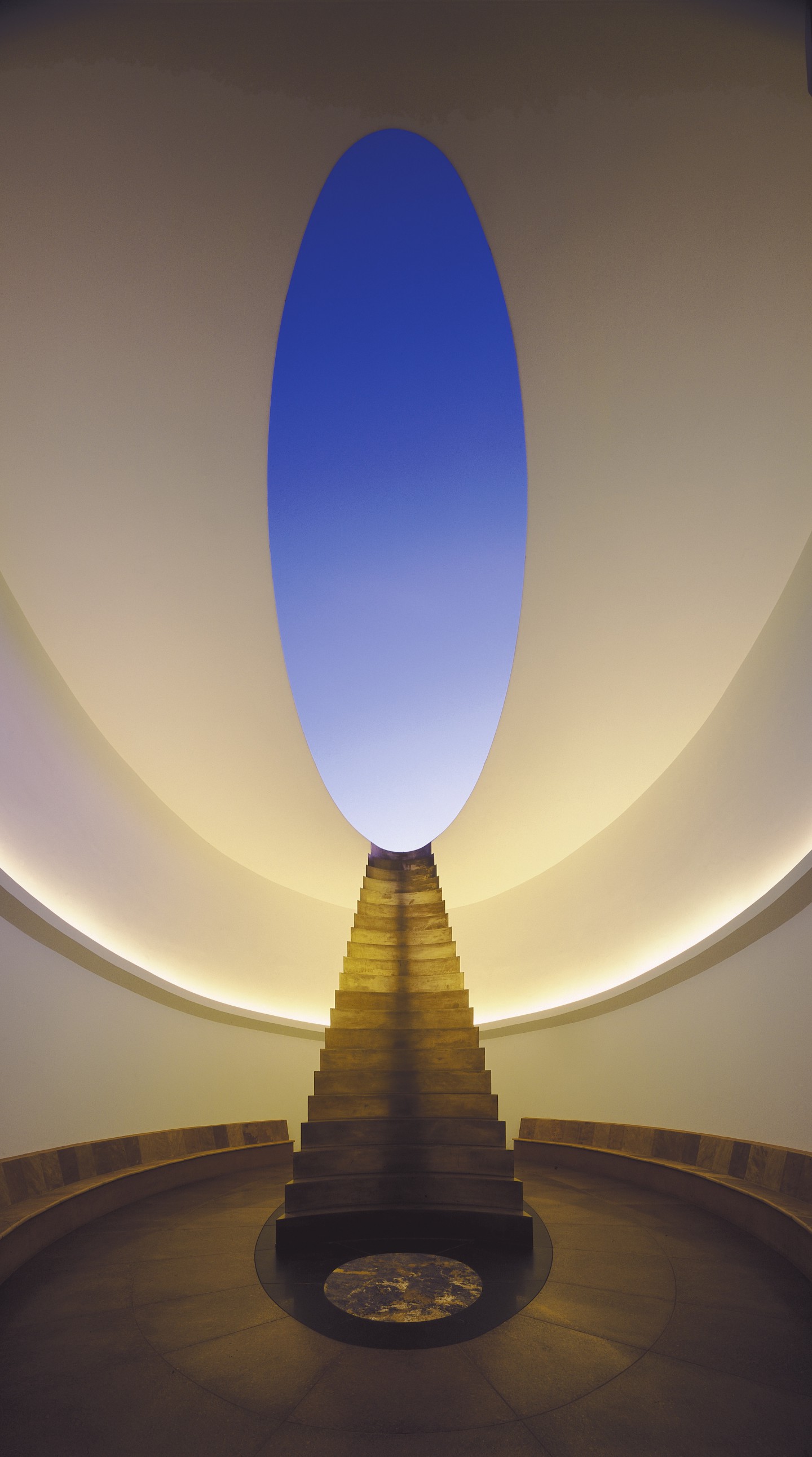
James Turrell has work installed and available to the public in 22 countries and 17 US states. Since 1977 He has been working on Roden Crater. Roden Crater is an extinct volcano where Turrell has been installing tunnels and craters that give a sense of heaven and earth. It is described as being a “gateway to observe light, time and space.”
Personally I love the nature of Turrells work. Using different techniques he is able to create a range of illusions for the viewer that are fascinating to look at and really draw you in. Looking at his work on Roden Crater I’m intrigued by the atmospheric quality and other worldly spaces he has created with what doesn’t look to be an overly complex design.
“My work has no object, no image and no focus. With no object, no image and no focus, what are you looking at? You are looking at you looking. What is important to me is to create an experience of wordless thought.” – James Turrell
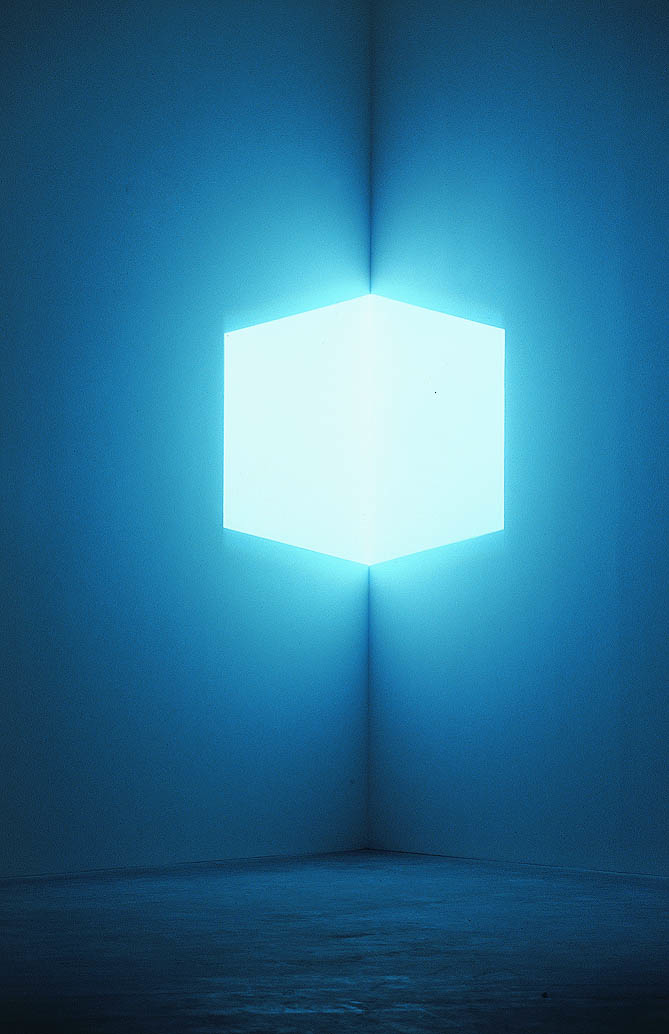
Projection – created by projecting a single, controlled beam of light from the opposing corner of the room
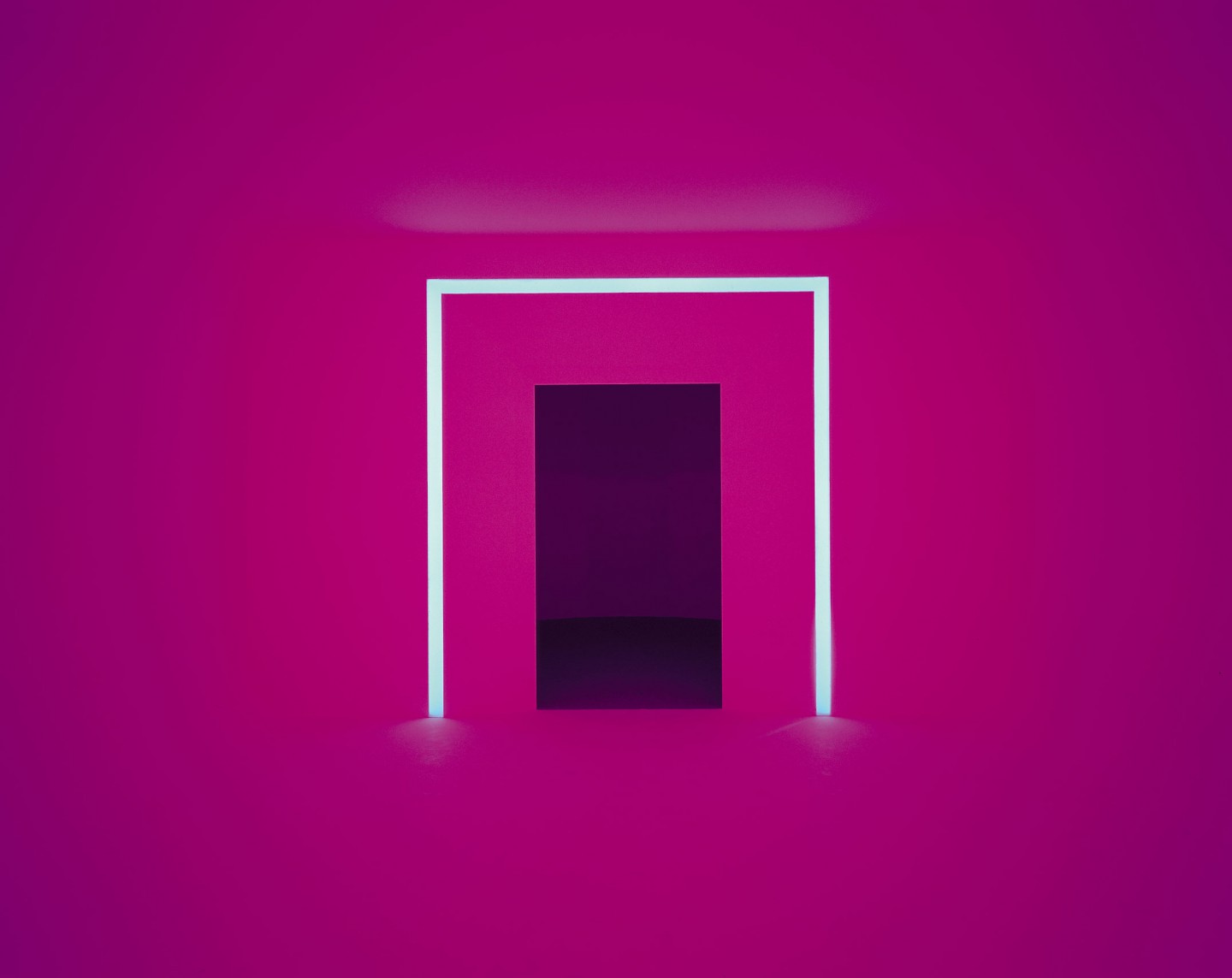
Shallow Space Construction – Viewed from the back of a large room in which controlled lighting challenges the viewers depth perception.
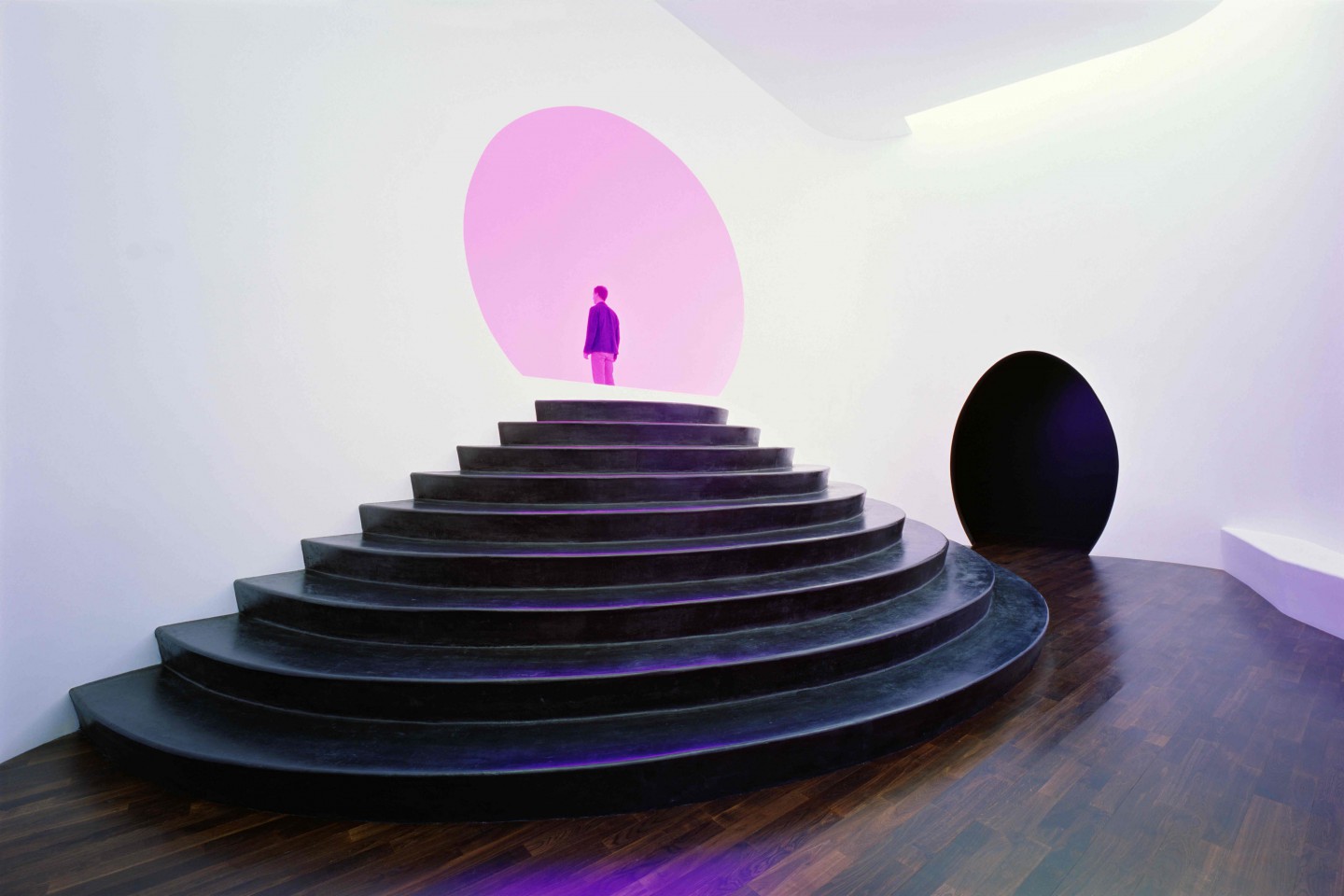
Ganzfeld – German word to describe a total loss of depth perception like the experience of a white-out
 Spatial Design
Leave a comment