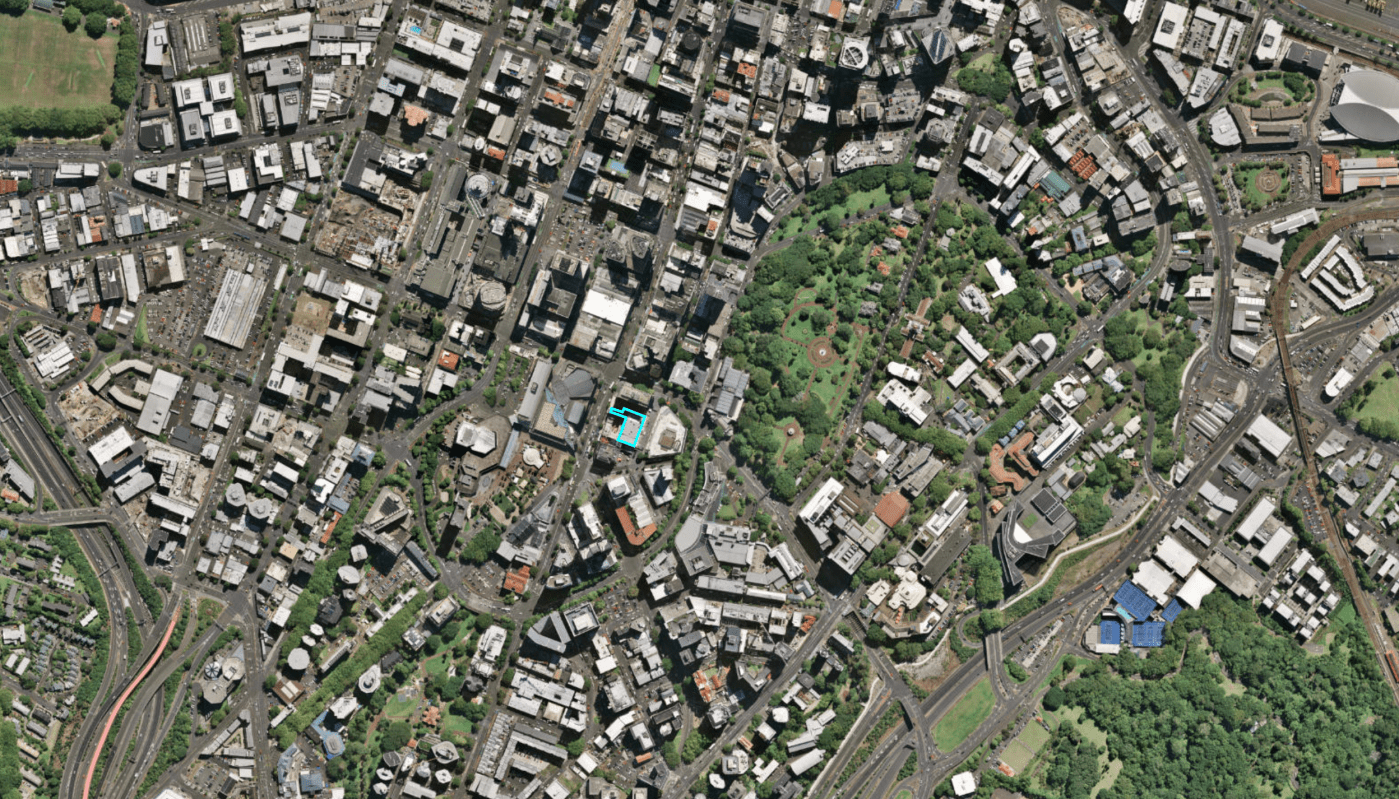
As a class we went for a guided tour of the St James Theatre. The theatre was closed to the public in 2007 after an electrical fire and reopened for a final 20 shows in 2016. It has been closed since then due to the rundown state of the building and the potential hazards this creates although all original electrical work has been removed due to the fire. Some aspects of the building have aged well over time and others have been through several renovations and are under the process of being restored with the rest of the theatre as well as plans for an apartment complex to be built on the adjacent site.
The St James Theatre is a heritage stage theatre and cinema. It was built in 1928 as a replacement for Fullers Opera House. Originally the theatre was designed for vaudeville acts (A theatrical genre of variety entertainment) but as cinema was introduced to New Zealand it was adapted to have a film projector only a year and half after opening. St James theatre was designed by architect Henry Eli White, a New Zealand born architect who designed many theatres throughout Australia and New Zealand.
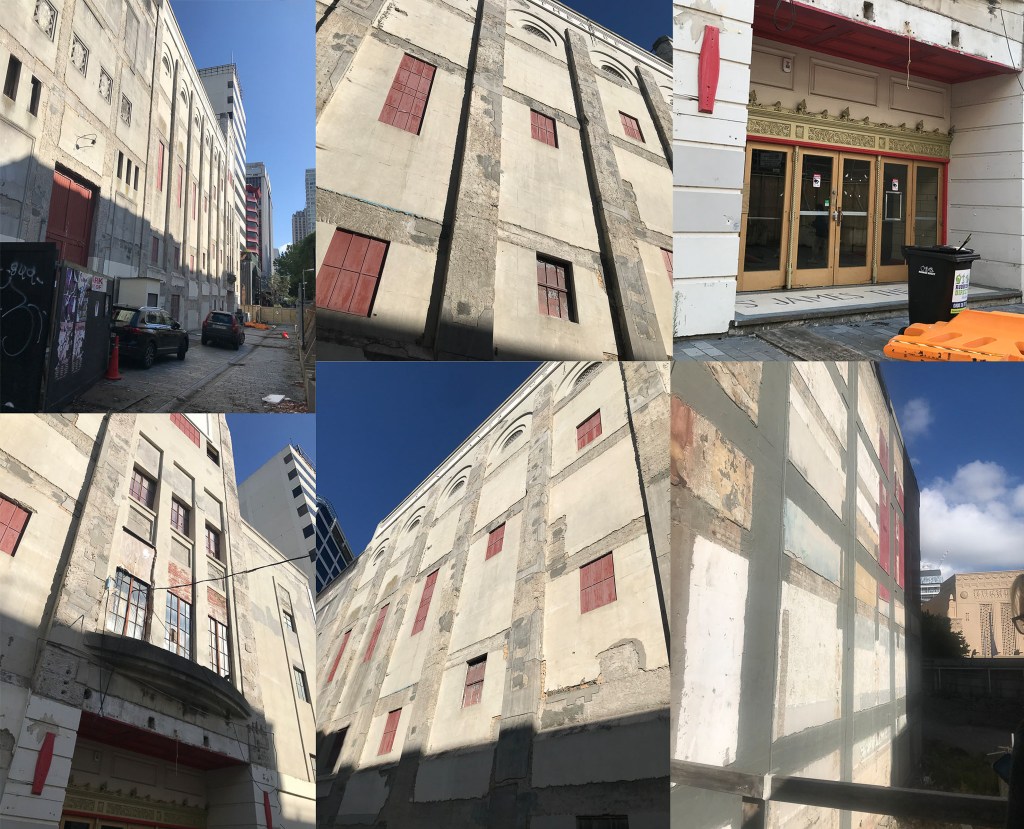
The Queen Street entrance has been demolished so we entered through the Lorne Street entrance instead. The theatre is blocked off by temporary fencing and from the outside you can see that parts of the building aren’t in the greatest shape. During construction many of the stones were washed in salt water and over time this has contributed to the decay and erosion of the exterior. I noticed how the windows were out of line and a mix of shapes and sizes which I thought was a bit odd as generally older buildings tend to be more repetitive and symmetrical in many ways but it adds to the character of the the old structure in my opinion.
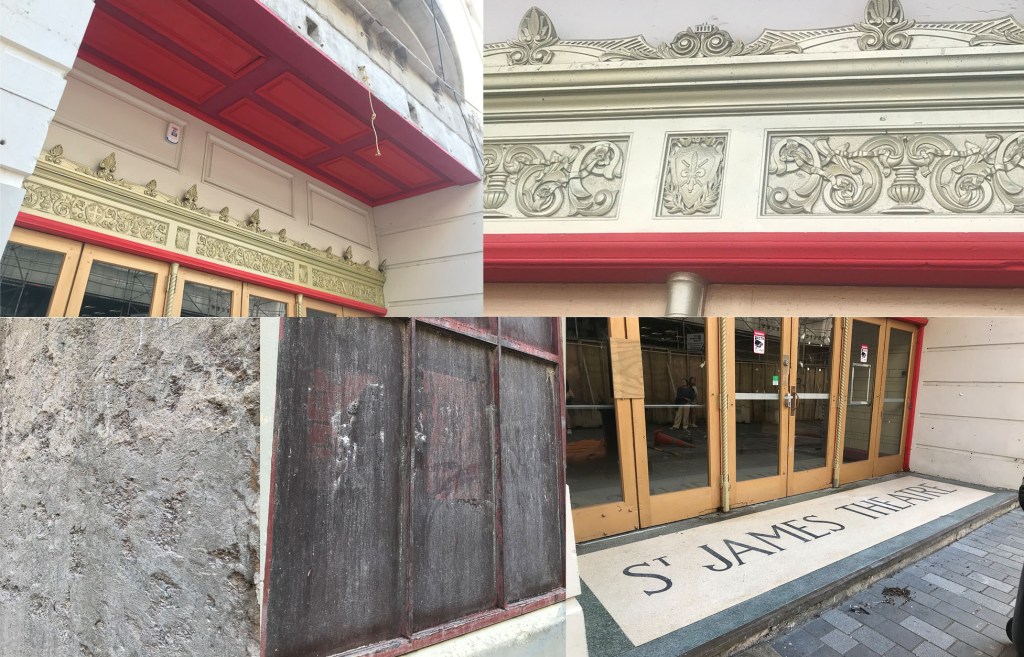
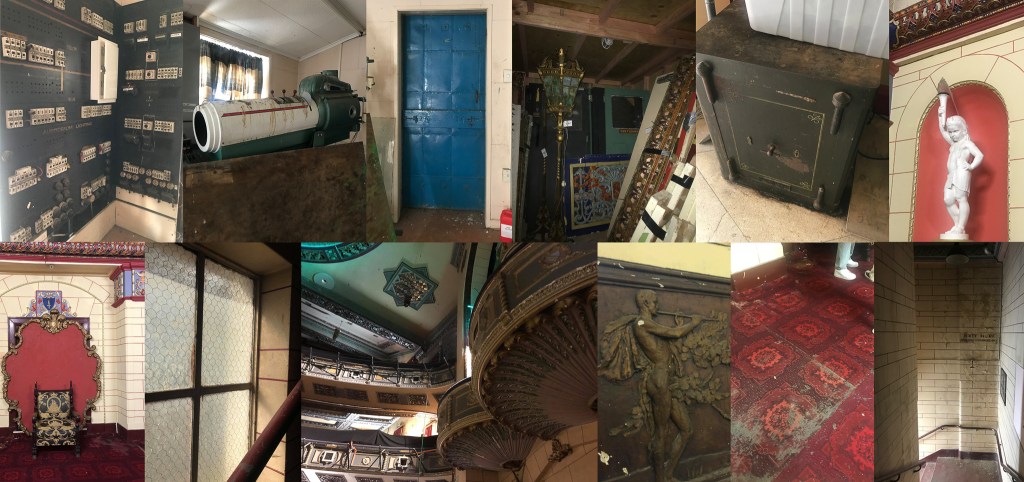
The architecture is in line with the style of the 20’s in NZ, based off of American designs. The interiors are decorated in a Spanish renaissance style with Greek and Roman features. These styles – Greek and Roman – were often confused and mixed together back then as there wasn’t as much knowledge of the two and their differences. Many of the statues and motifs around the theatre actually tell a story relating to their Greek or Roman mythologies.
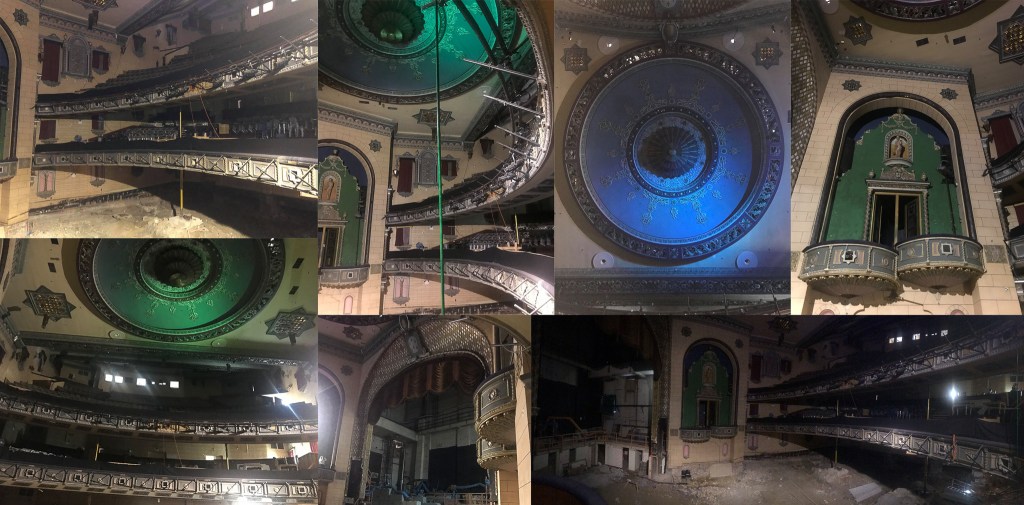
Much of the original interiors has been covered over the years and are under the process of slowly being restored back to their original colours/designs. There were sections where we were able to see the original palette and see the amount of layers covering it up.
Most of the interiors is brick walls that have been covered up and painted to make look like stone walls as well as using rendered plaster to appear as marble along with the statues painted to resembles marble.
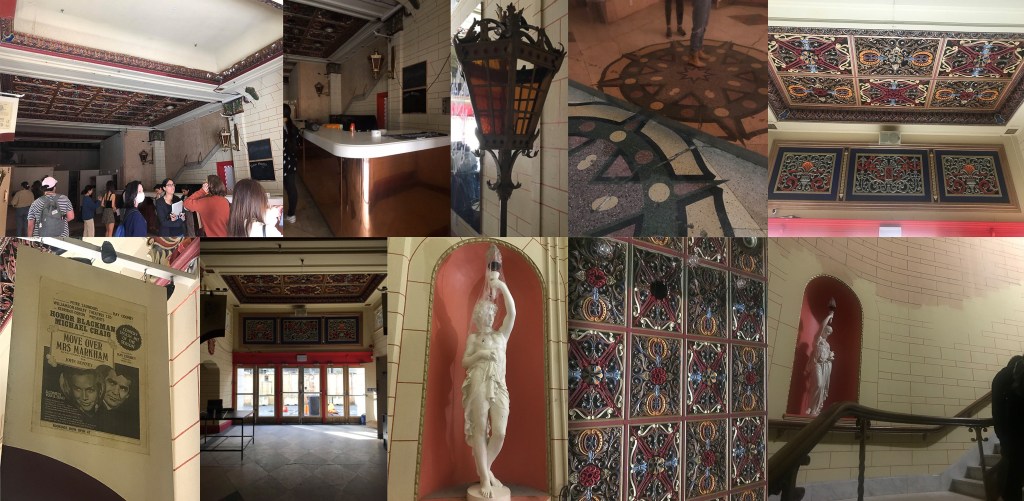
The theatre has three main levels all designed to be out of site of each other. This keeps in line with social norms in the 1920’s as there was a significant social class system. The higher up you sat the lower class you were in and the highest level even had a seperate entrance/exit so that there wouldn’t be mixing of classes before or after the shows or in the lobby during intervals.
The lobby area and the backstage area are seperate buildings combined by a suspended ceiling.
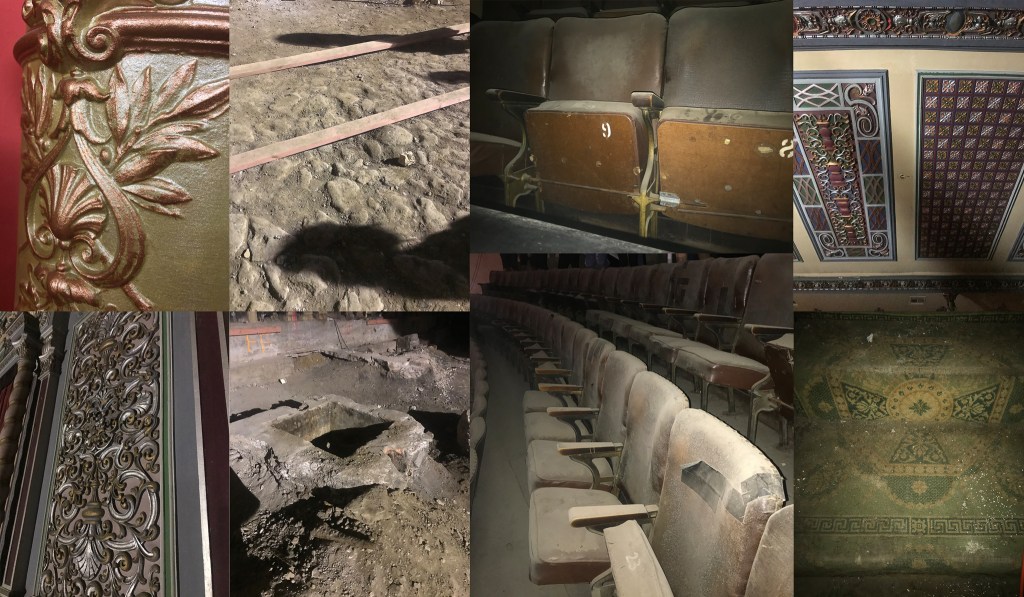
The theatre space itself has been mostly gutted and we were able to see remnants of cobbled streets from the 1800’s as well as foundations of what is thought to be a butchers shop that stood there long before the theatre. There is currently undergoing seismic upgrades to strengthen and stabilise the structure and we were able to see some of these new foundations.
Much of the carpets and seats throughout the seating area are well worn and ripped but it was fascinating to see the originals that have been there for so long.
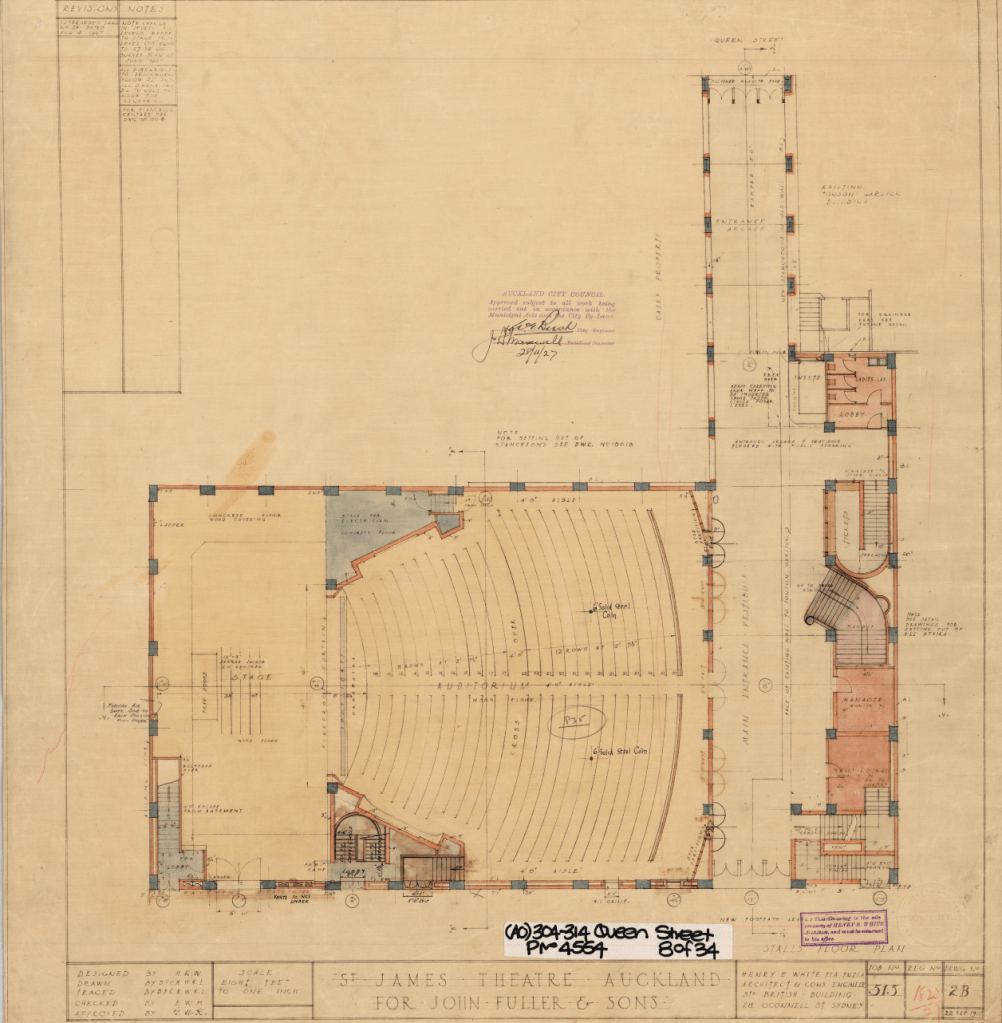
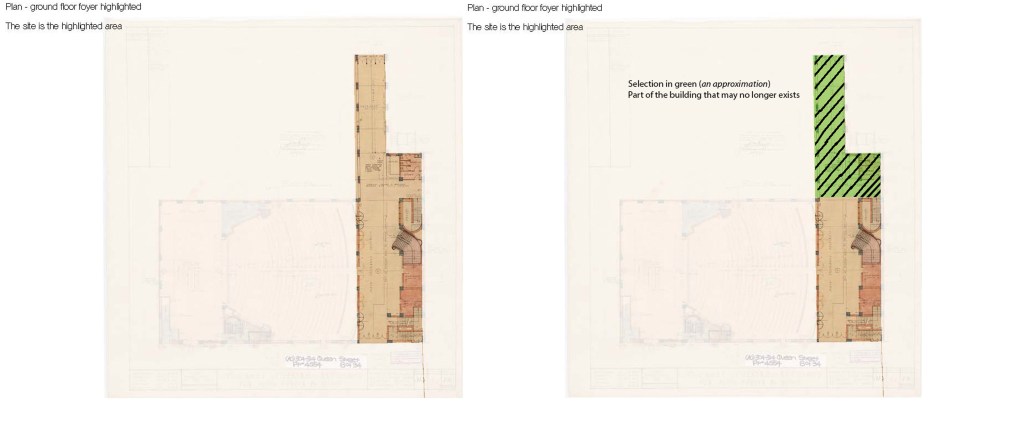
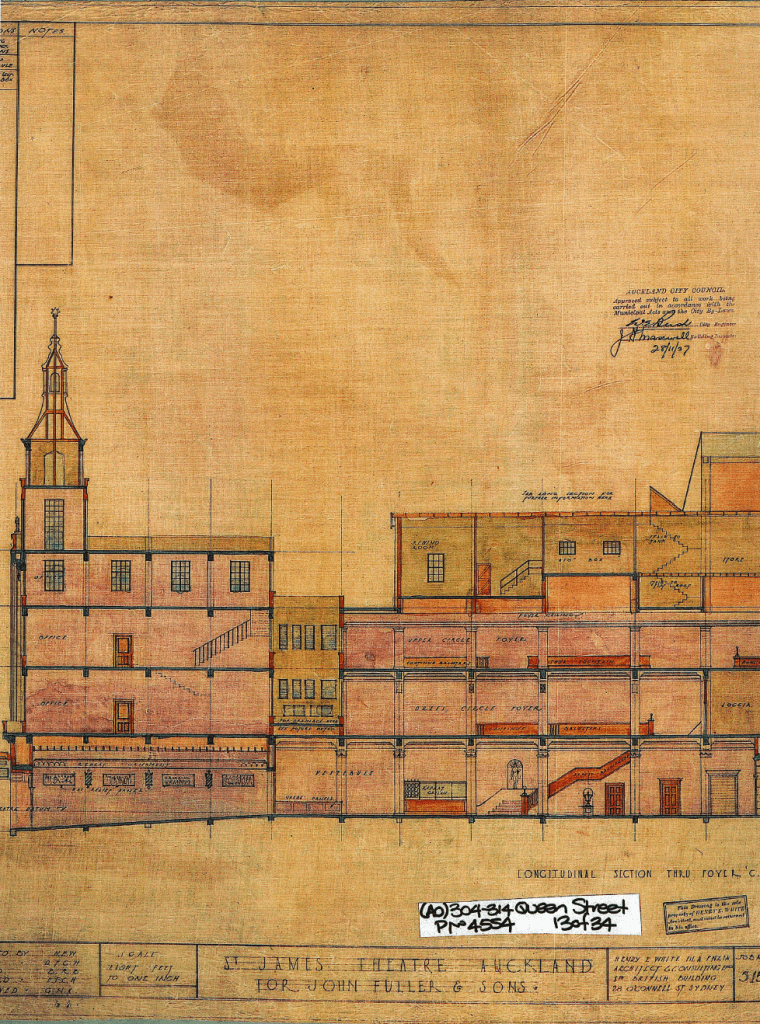
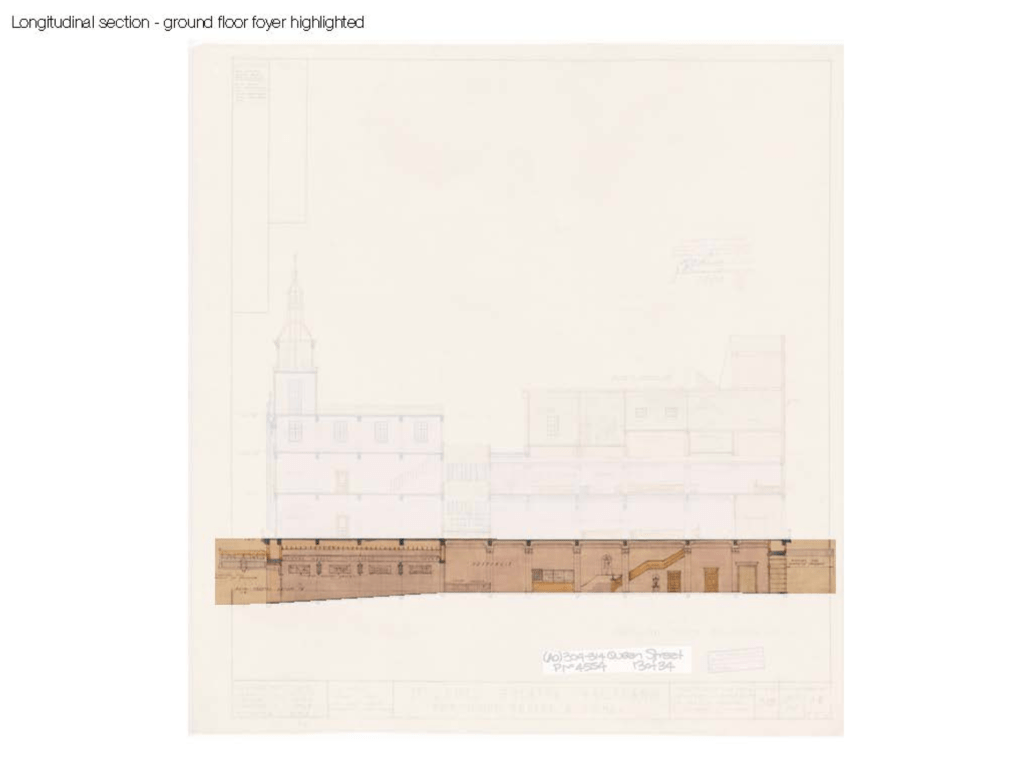
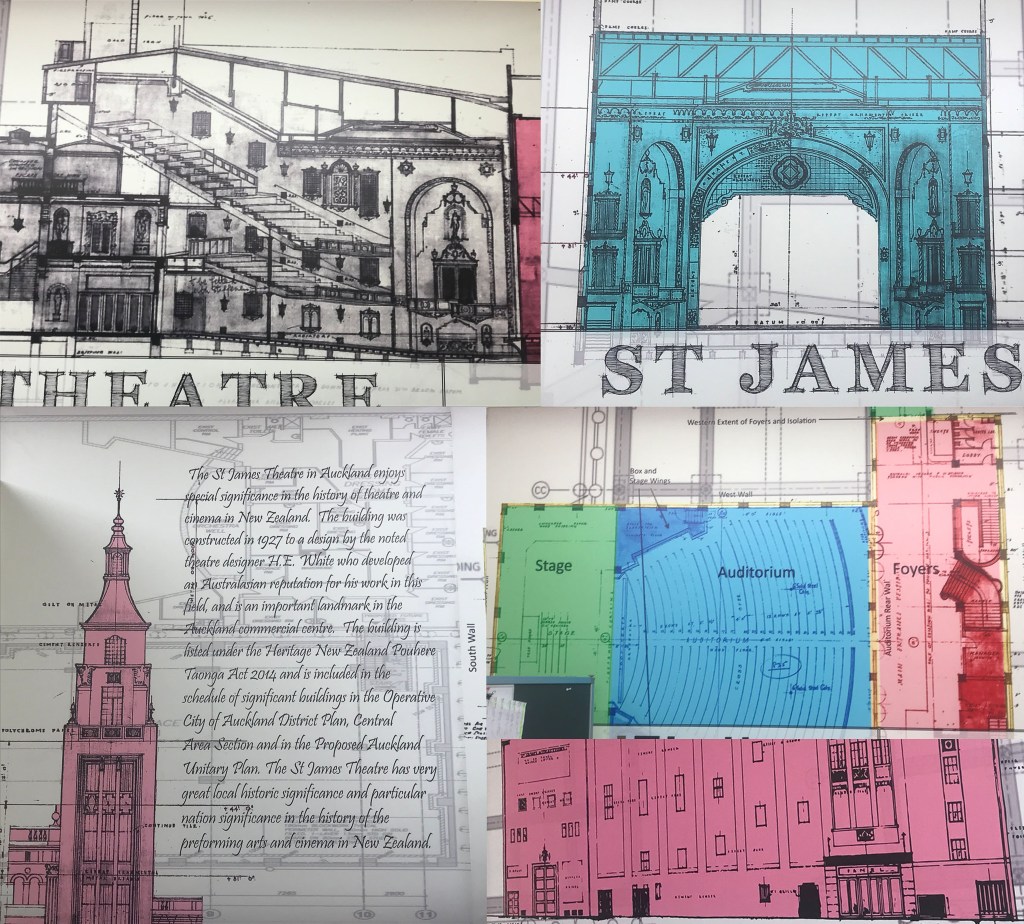
Below are the original plans of the St James Theatre and the area that we will be working with for this brief.
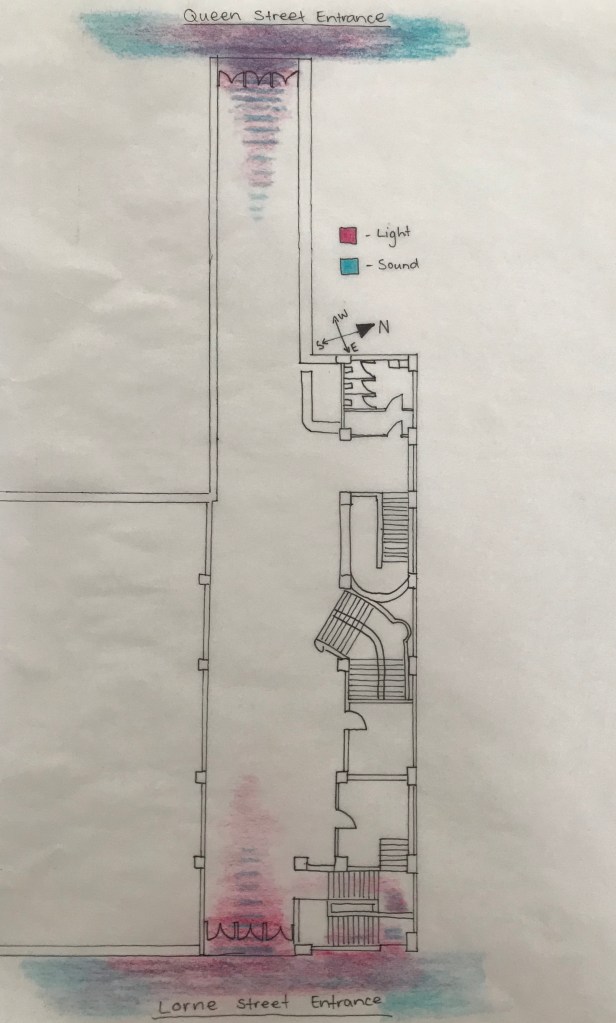
Whilst on the tour of the theatre I took note of the light and sound that enters through the main entrance. Sadly, due to the Queen Street entrance being demolished I was only being able to do a study of the Lorne Street side. However with my knowledge of the lighting/sound from Queen Street into the surrounding stores I was able to make a good estimate of how those elements may have worked in this site.
The lobby is a long and thin space and with only a small amount of limited light coming in from the windows on either end. Once inside it was relatively quiet and not much noise from the street could be heard despite being in a high pedestrian and traffic area.
After visiting the site I looked into some surrounding elements of the larger city to see how they could affect or influence the site itself.
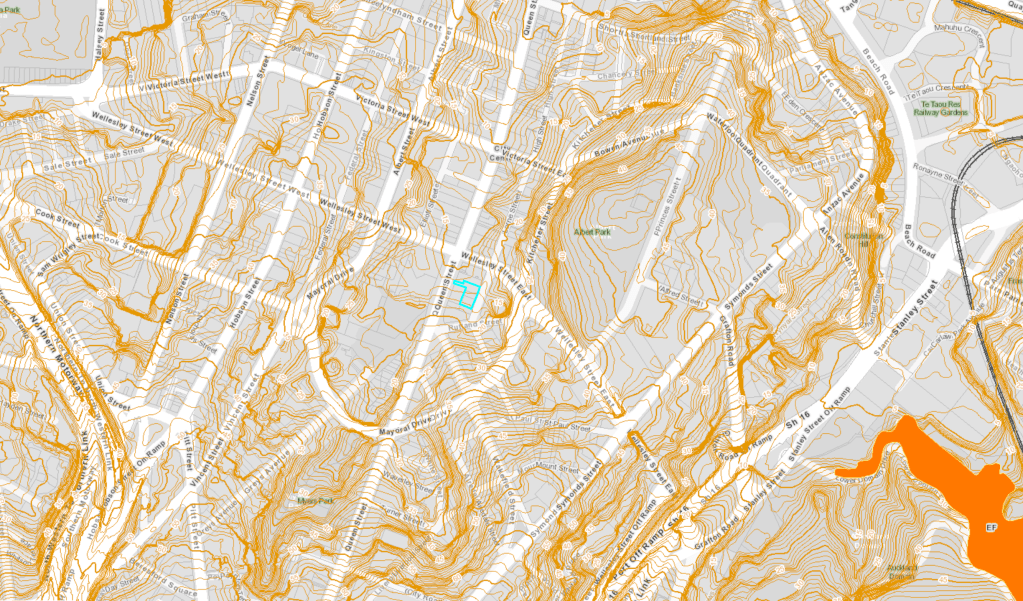
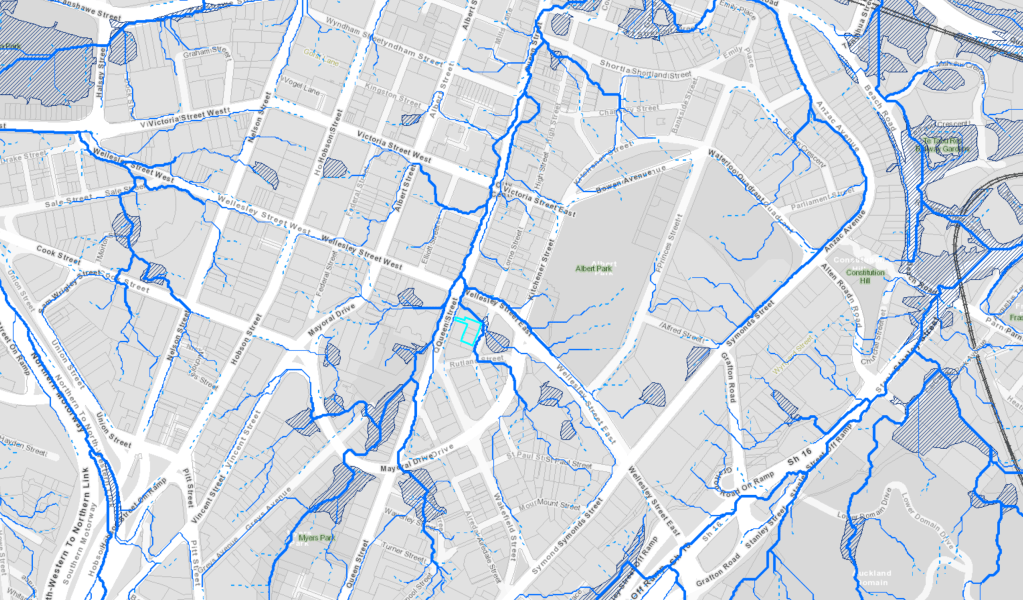
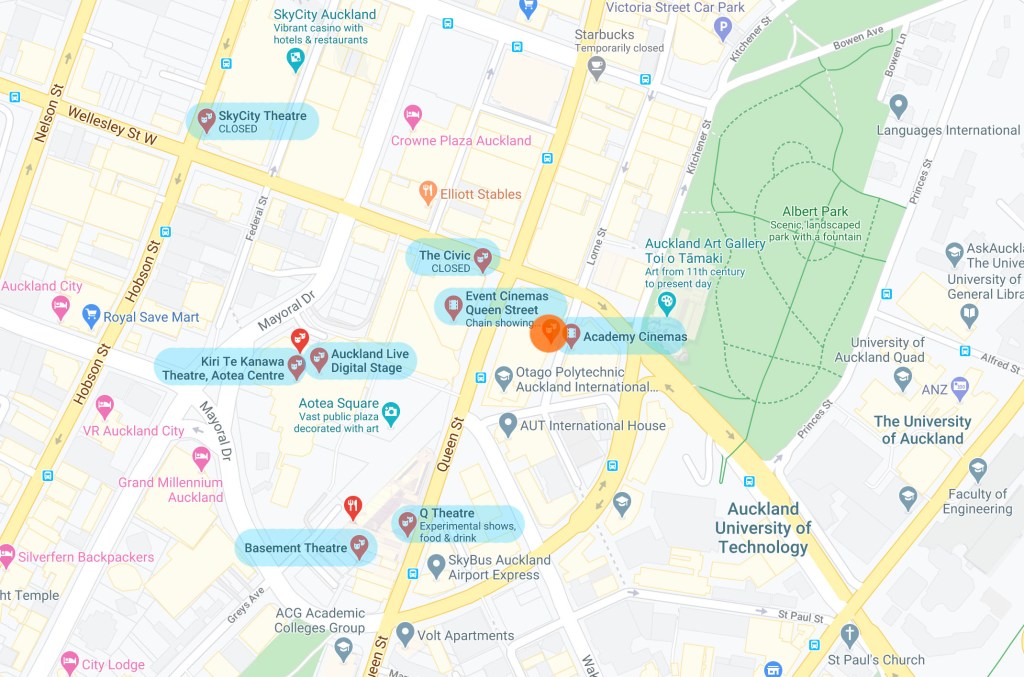
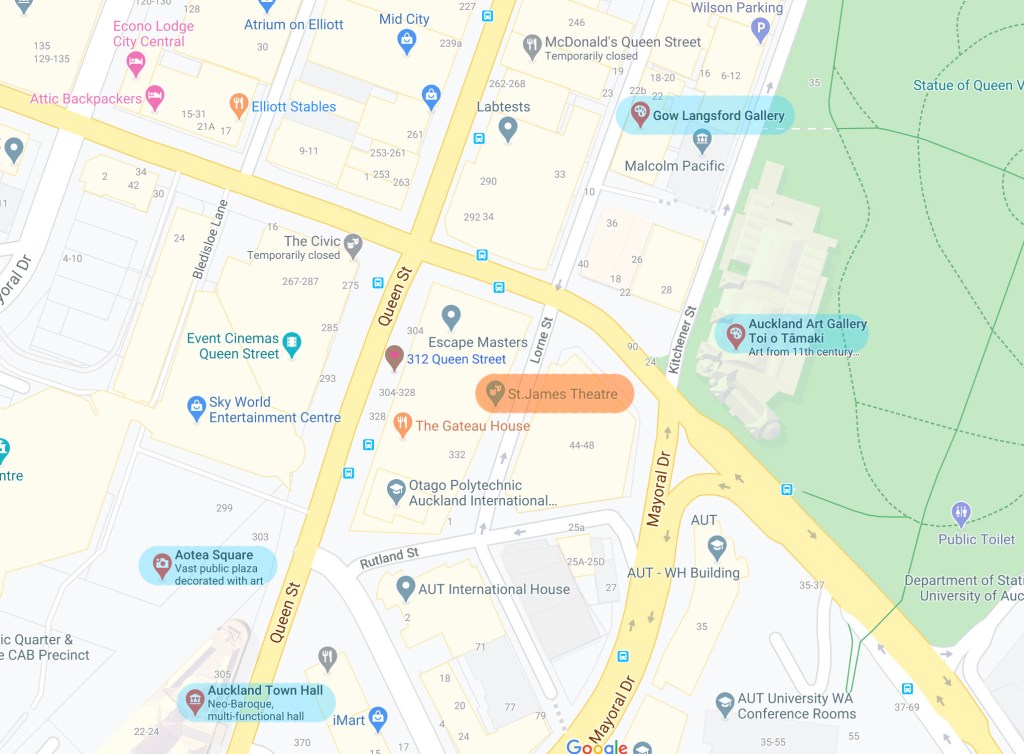
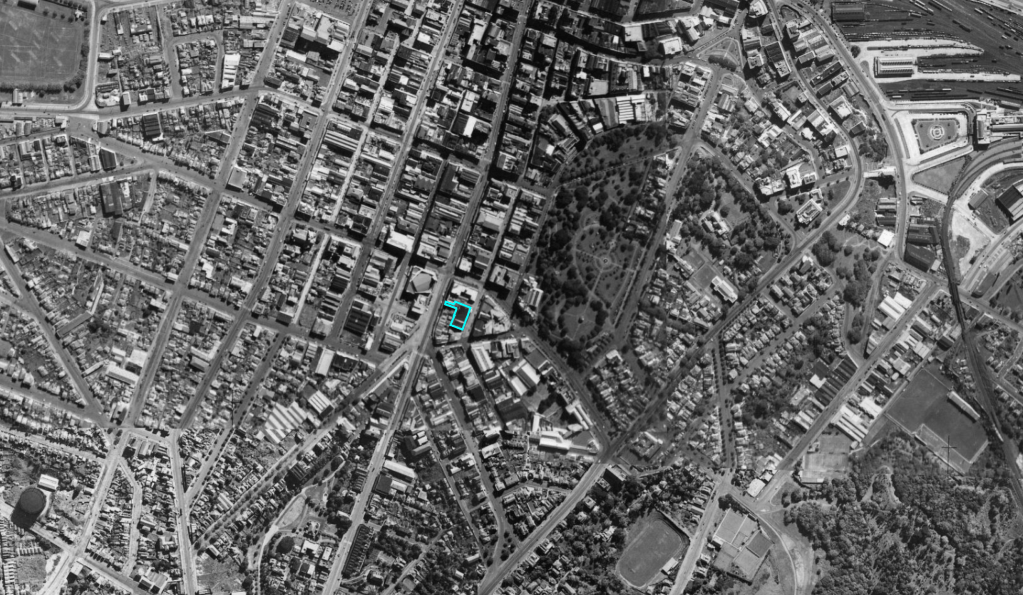
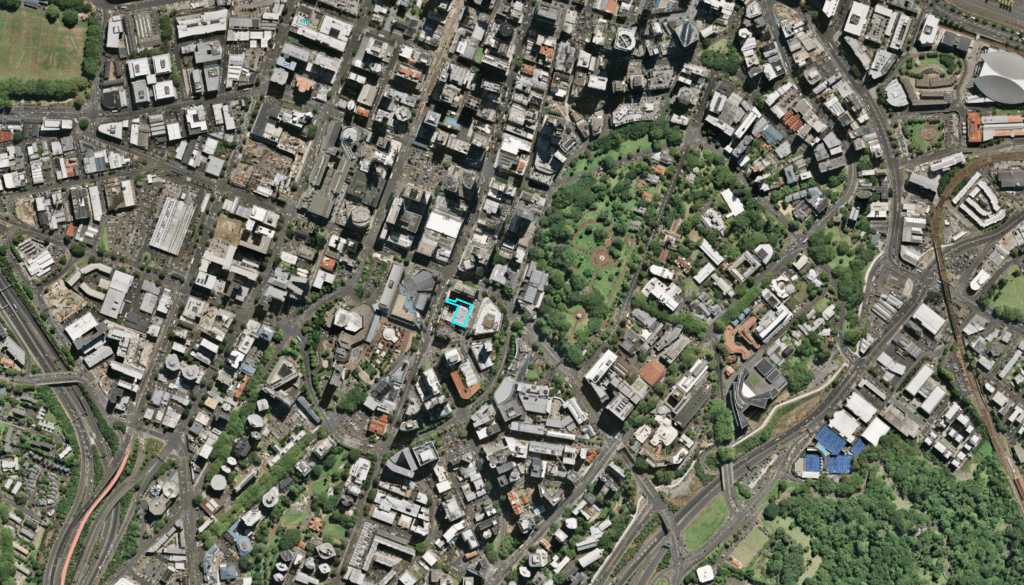
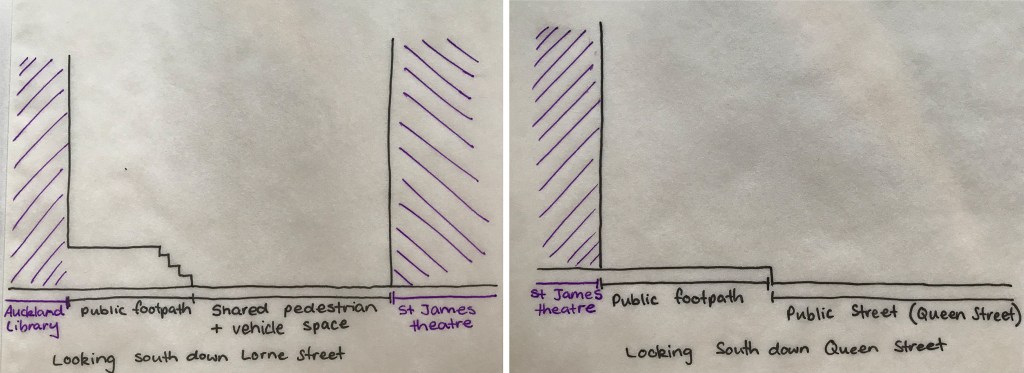
I made a brief study of the streets either side of the theatre as I thought this could influence the way people approach/enter the space and whether this would be more purposeful, such as driving there specifically or if perhaps people would be more likely to just wander into when in the surrounding area with less intent.
Alongside this I looked into pedestrian counts in Auckland CBD to get a rough idea of the foot traffic in the area. Queen street is the main street in the city but as there are universities, art galleries and cafes all around the site the surrounding area is quite busy with people coming and going to all the different locations.
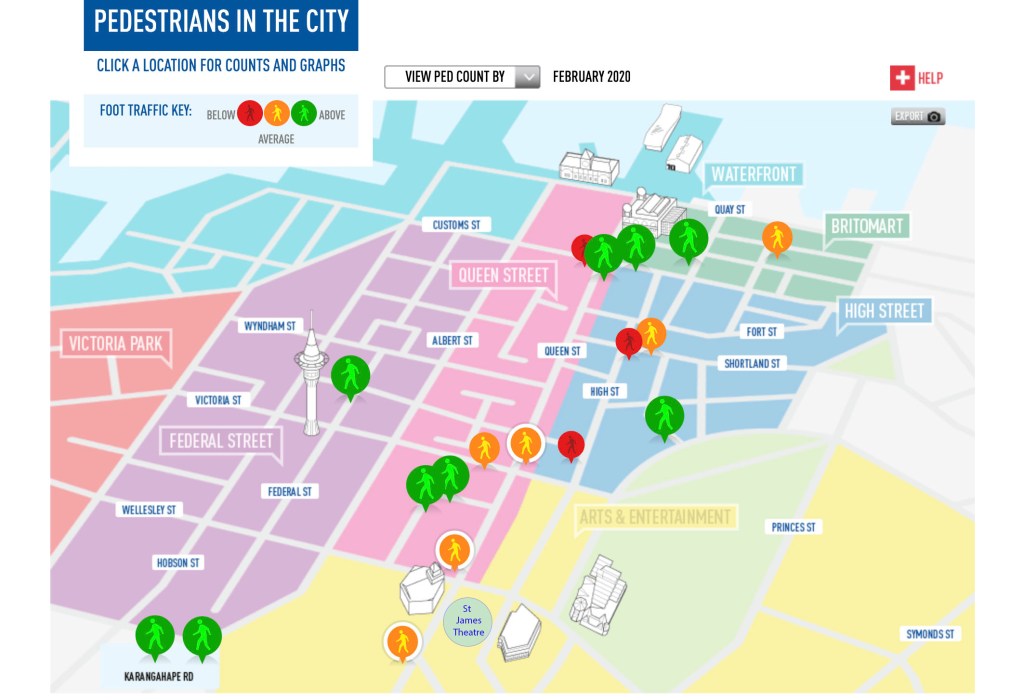
Retrieved from: https://www.hotcity.co.nz/city-centre/results-and-statistics/pedestrian-counts
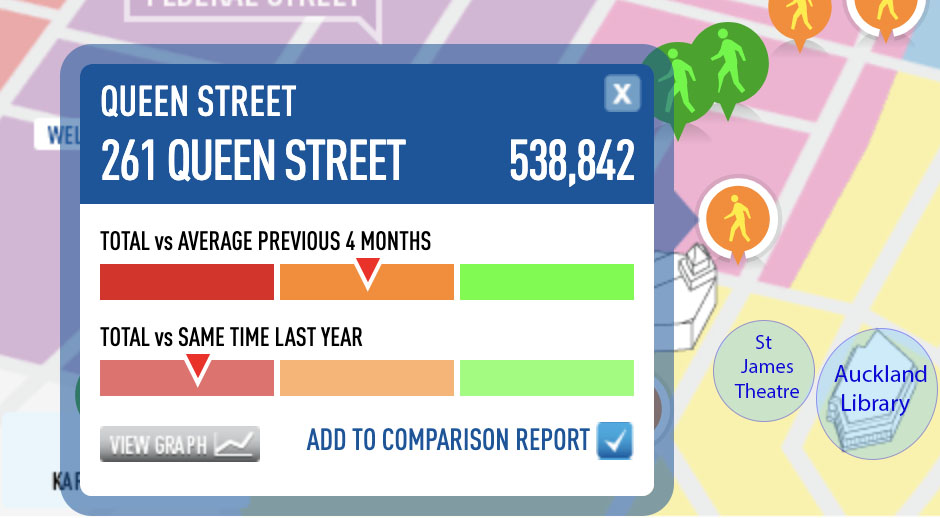
Retrieved from: https://www.hotcity.co.nz/city-centre/results-and-statistics/pedestrian-counts
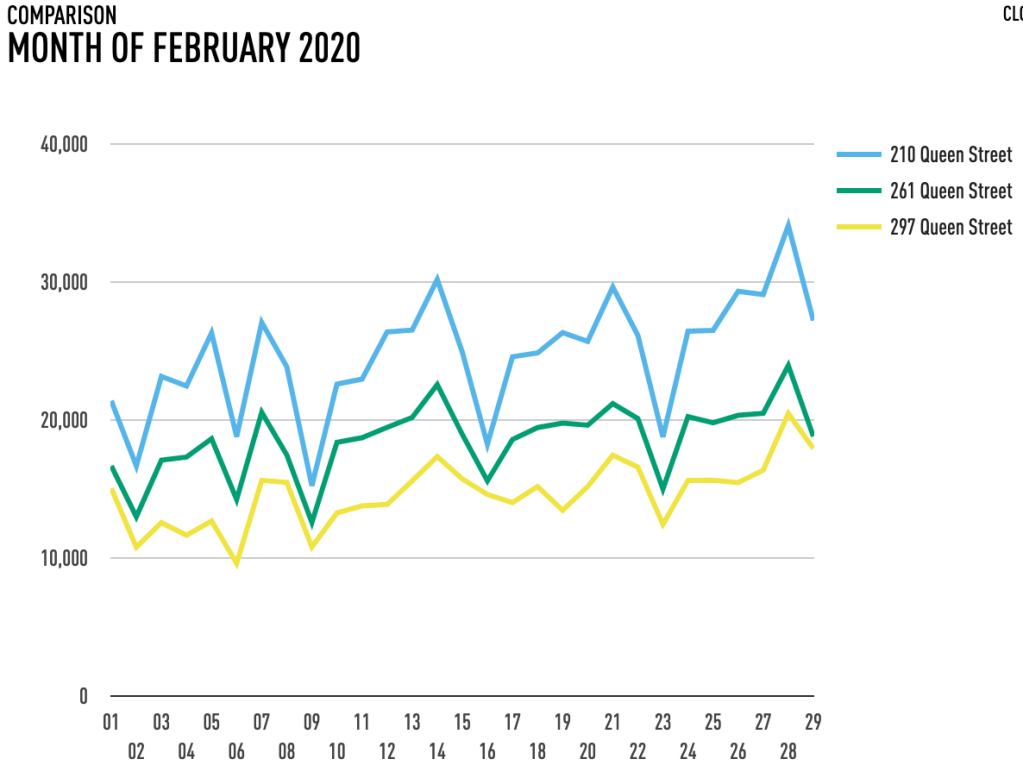
Retrieved from: https://www.hotcity.co.nz/city-centre/results-and-statistics/pedestrian-counts
I also searched for some older images of the St James Theatre as I wanted to get a feel for what it originally looked like with the surrounding sites all tied into the same time frame. Over time it is easy to see the changes and the poor maintenance the building sustained as it seems to have quickly lost a lot of its original glory.
The St James Theatre is classified as a Category 1 (places of special or outstanding historical or cultural heritage significance or value) historic place by the NZ historical places trust. Linked is the listing for the St James Theatre on the Heritage New Zealand website which outlines the criteria for which the theatre is classified as. https://www.heritage.org.nz/the-list/details/4404
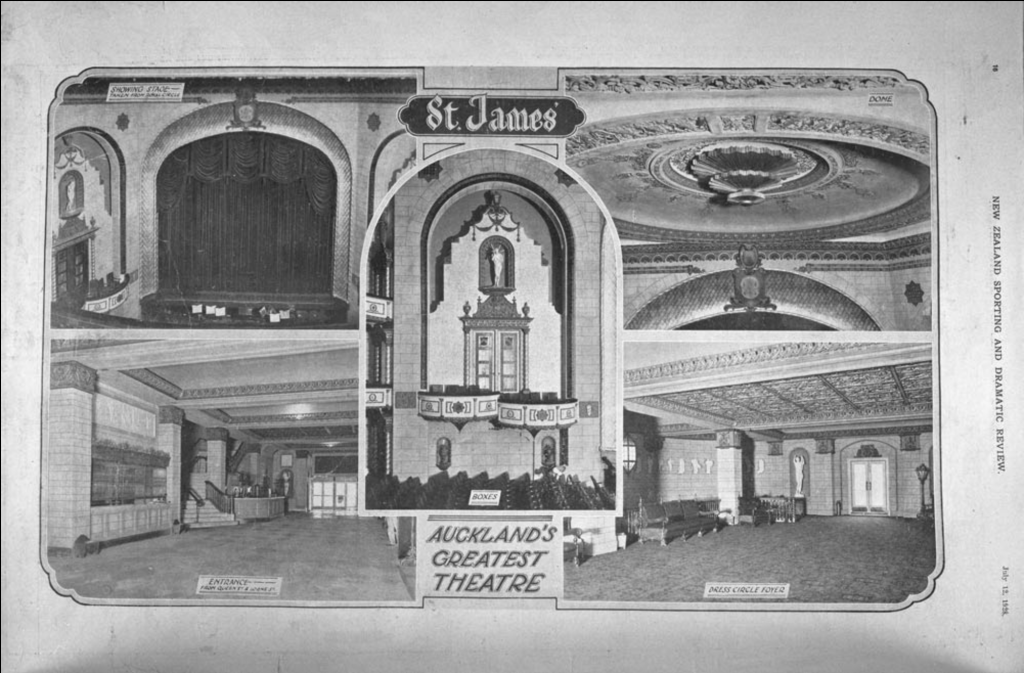
Retrieved from: http://www.aucklandcity.govt.nz/dbtw-wpd/exec/dbtwpub.dll?BU=http%3A%2F%2Fwww.aucklandcity.govt.nz%2Fdbtw-wpd%2FHeritageImages%2Findex.htm&AC=QBE_QUERY&TN=heritageimages&QF0=ID&NP=2&MR=5&RF=HIORecordSearch&QI0=%3D%227-A11880%22
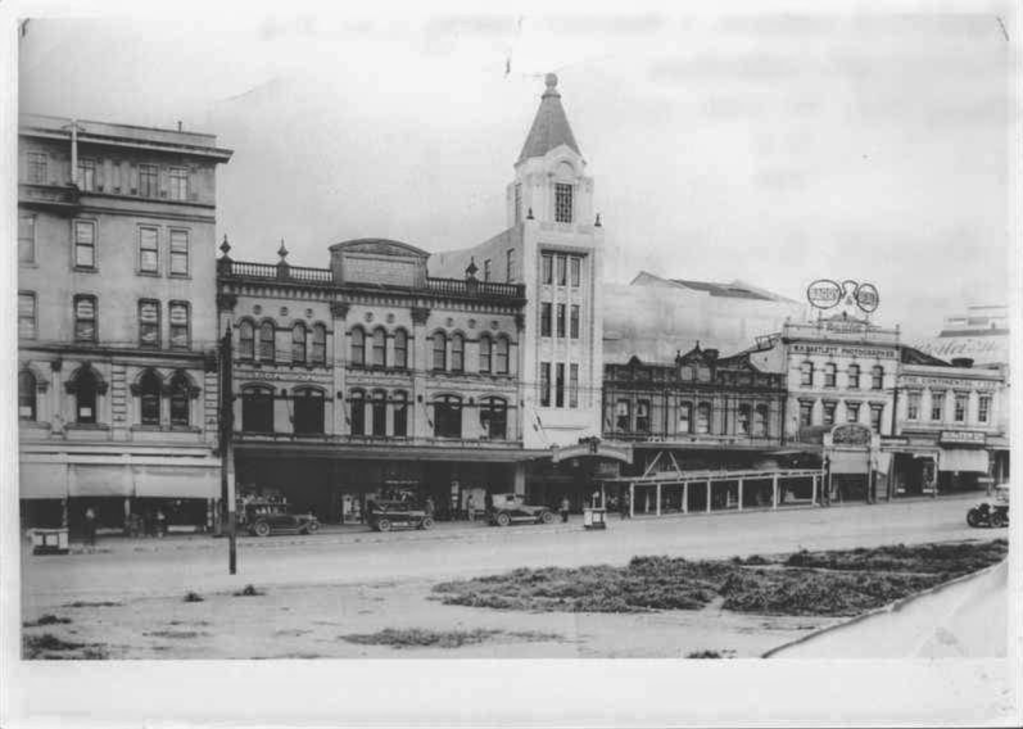
Retrieved from: http://heritageetal.blogspot.com/2014/11/st-james-theatre.html
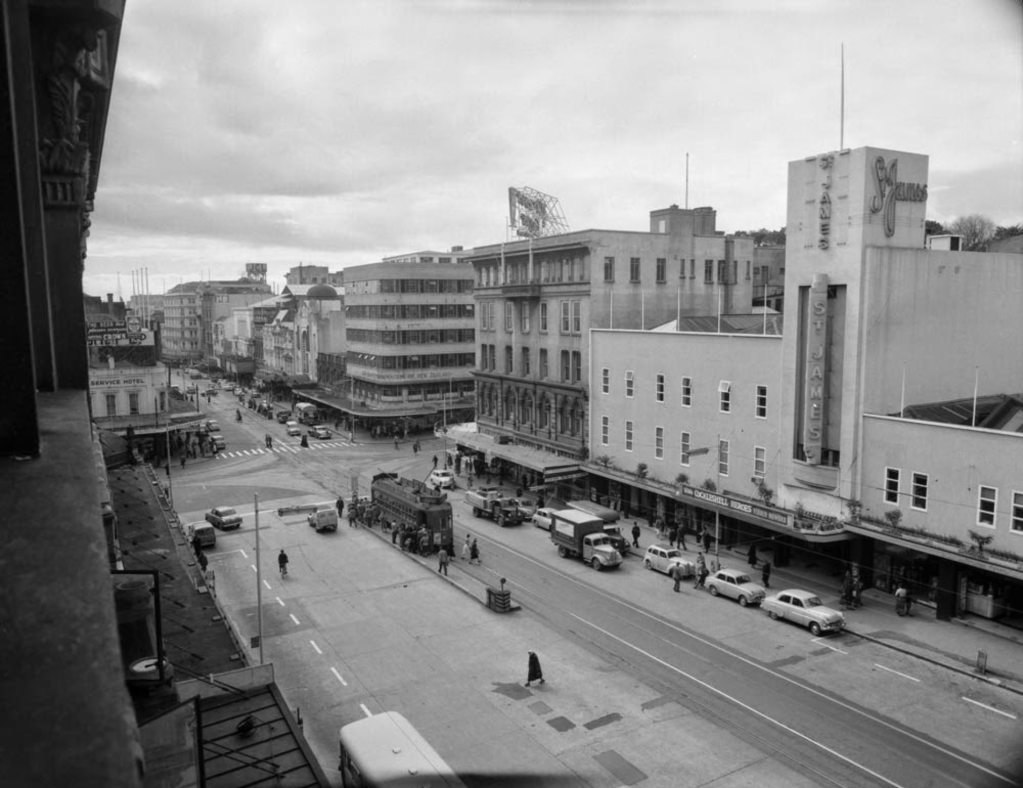
Retrieved from: http://www.aucklandcity.govt.nz/dbtw-wpd/exec/dbtwpub.dll?BU=http%3A%2F%2Fwww.aucklandcity.govt.nz%2Fdbtw-wpd%2FHeritageImages%2Findex.htm&AC=QBE_QUERY&TN=heritageimages&QF0=ID&NP=2&MR=5&RF=HIORecordSearch&QI0=%3D%22580-2270%22
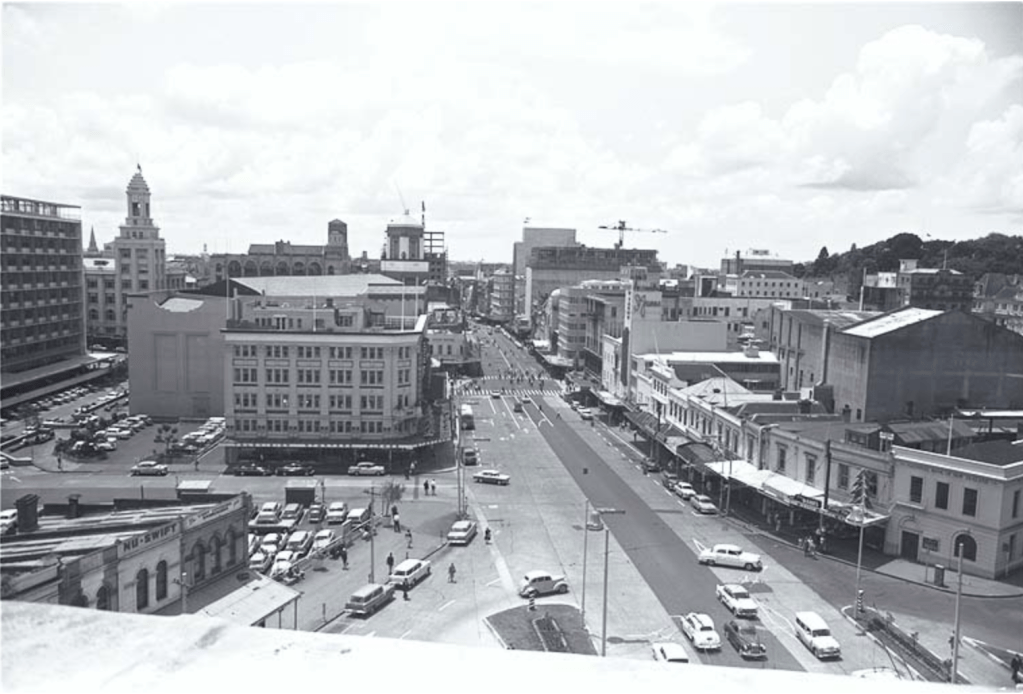
Retrieved from: http://www.aucklandcity.govt.nz/dbtw-wpd/exec/dbtwpub.dll?AC=NEXT_RECORD&XC=/dbtw-wpd/exec/dbtwpub.dll&BU=http%3A%2F%2Fwww.aucklandcity.govt.nz%2Fdbtw-wpd%2FHeritageImages%2Findex.htm&TN=heritageimages&SN=AUTO1864&SE=1628&RN=5&MR=20&TR=0&TX=1000&ES=0&CS=1&XP=&RF=HIOReport&EF=&DF=HIORecord&RL=0&EL=0&DL=0&NP=2&ID=&MF=WPEngMsg.ini&MQ=&TI=0&DT=&ST=0&IR=0&NR=0&NB=0&SV=0&SS=1&BG=&FG=&QS=index&OEX=ISO-8859-1&OEH=ISO-8859-1
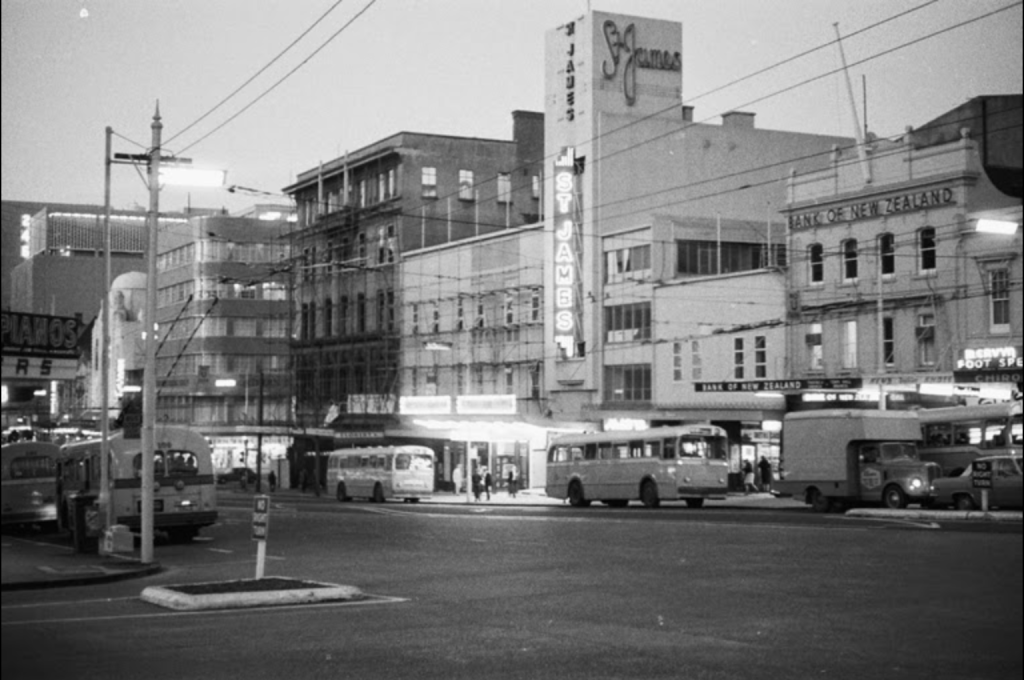
Retrieved from: http://www.aucklandcity.govt.nz/dbtw-wpd/exec/dbtwpub.dll?BU=http%3A%2F%2Fwww.aucklandcity.govt.nz%2Fdbtw-wpd%2FHeritageImages%2Findex.htm&AC=QBE_QUERY&TN=heritageimages&QF0=ID&NP=2&MR=5&RF=HIORecordSearch&QI0=%3D%22786-A005-5%22
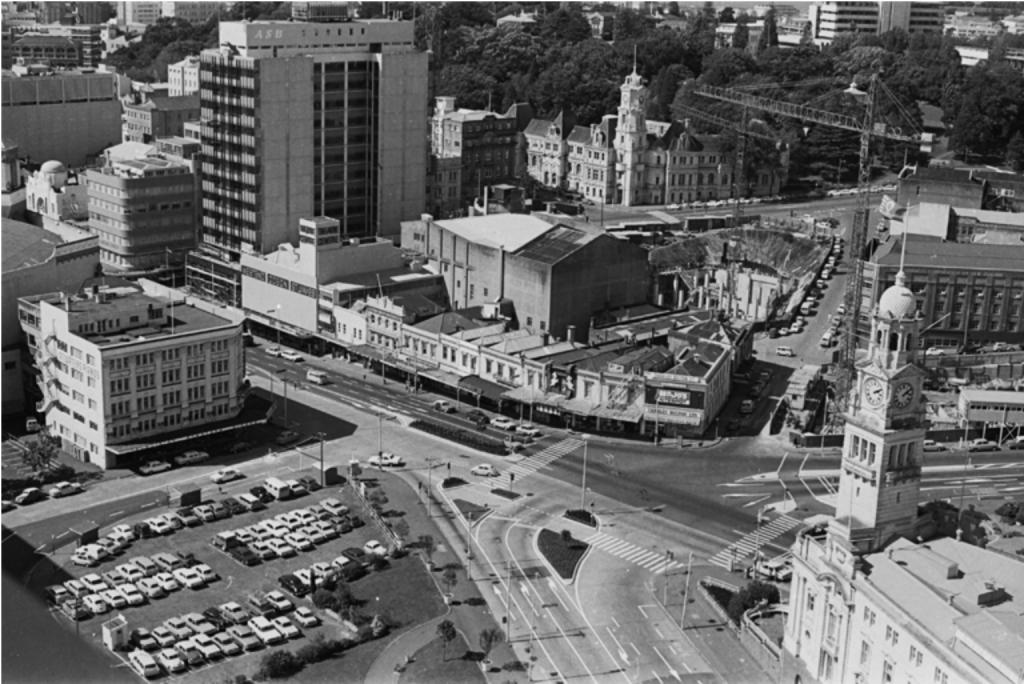
Retrieved from: http://www.aucklandcity.govt.nz/dbtw-wpd/exec/dbtwpub.dll?AC=NEXT_RECORD&XC=/dbtw-wpd/exec/dbtwpub.dll&BU=http%3A%2F%2Fwww.aucklandcity.govt.nz%2Fdbtw-wpd%2FHeritageImages%2Findex.htm&TN=heritageimages&SN=AUTO1864&SE=1628&RN=8&MR=20&TR=0&TX=1000&ES=0&CS=1&XP=&RF=HIOReport&EF=&DF=HIORecord&RL=0&EL=0&DL=0&NP=2&ID=&MF=WPEngMsg.ini&MQ=&TI=0&DT=&ST=0&IR=0&NR=0&NB=0&SV=0&SS=1&BG=&FG=&QS=index&OEX=ISO-8859-1&OEH=ISO-8859-1E
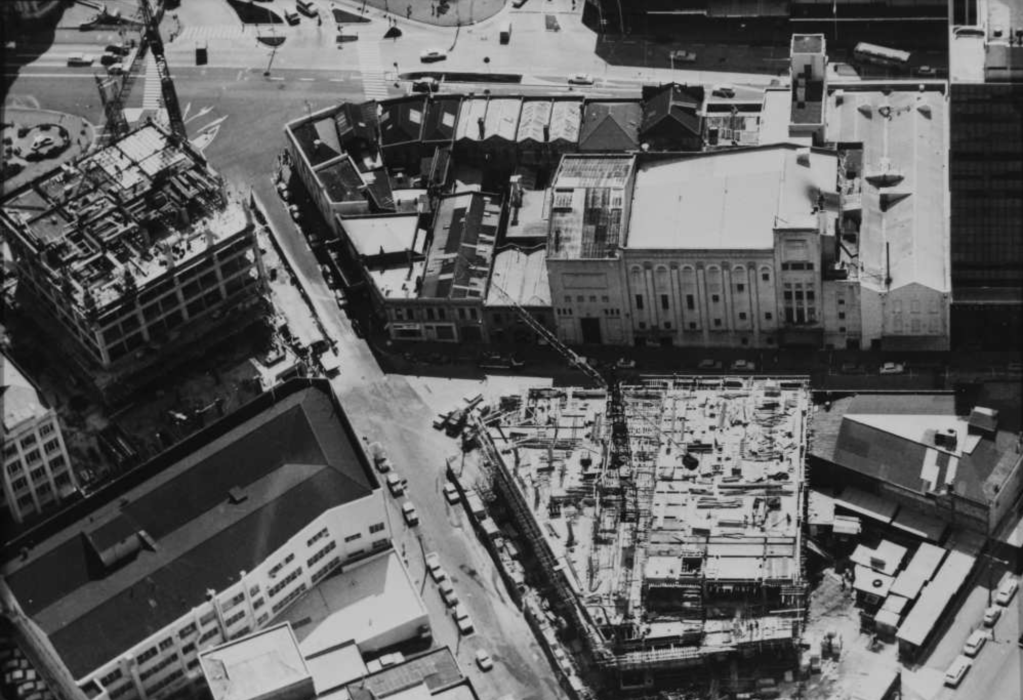
Retrieved from: http://www.aucklandcity.govt.nz/dbtw-wpd/exec/dbtwpub.dll?AC=NEXT_RECORD&XC=/dbtw-wpd/exec/dbtwpub.dll&BU=http%3A%2F%2Fwww.aucklandcity.govt.nz%2Fdbtw-wpd%2FHeritageImages%2Findex.htm&TN=heritageimages&SN=AUTO4221&SE=1666&RN=63&MR=20&TR=0&TX=1000&ES=0&CS=1&XP=&RF=HIOReport&EF=&DF=HIORecord&RL=0&EL=0&DL=0&NP=2&ID=&MF=WPEngMsg.ini&MQ=&TI=0&DT=&ST=0&IR=277053&NR=0&NB=3&SV=0&SS=1&BG=&FG=&QS=index&OEX=ISO-8859-1&OEH=ISO-8859-1
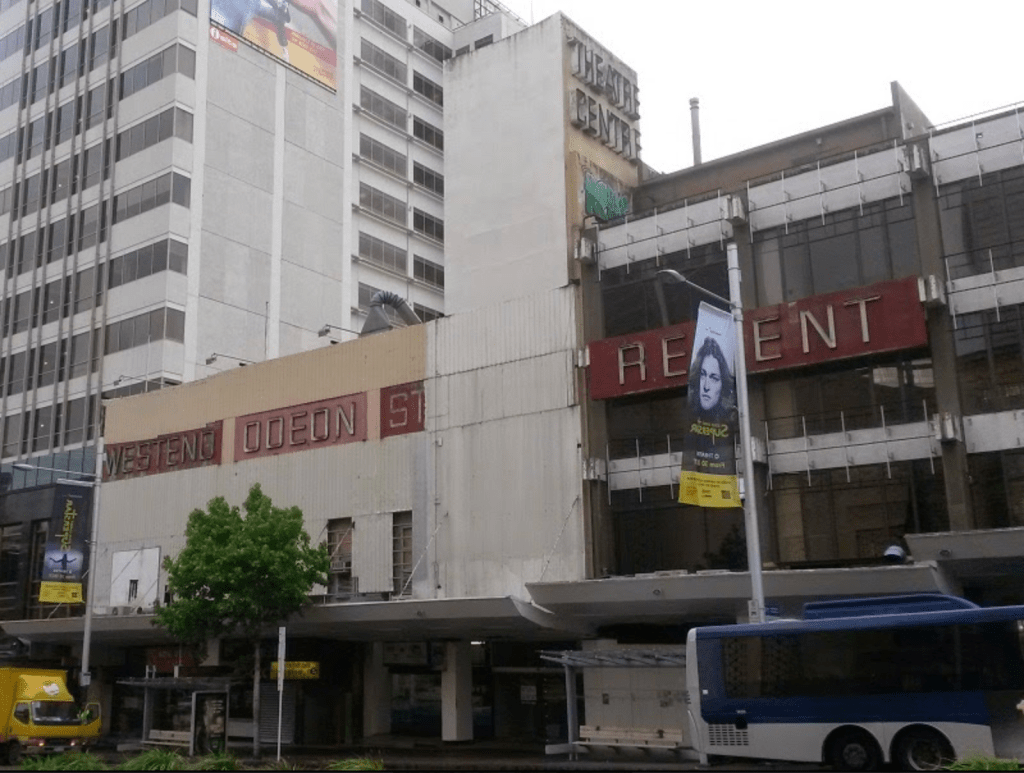
Retrieved from: http://heritageetal.blogspot.com/2014/11/st-james-theatre.html
 Spatial Design
Leave a comment