My requirements when looking for a material come back to needing something reflective. Apart from that I would need something strong and durable as it would be situated outside but also something that is easy to work at large scales.
For my initial models I was using mirror board as it’s easy to work with at a small scale and easily accessible. However I quickly realised that I didn’t want the reflective element in my work to go down the obvious route of just using mirrors. I started to look into other materials that have a reflective aspect but that might fit with the concepts of my design in other ways too. As I am working within a sci-fi cinematic context I decided to look for something darker in tone as that is often a feature in sci-fi films, especially ones featuring parallel worlds. I feel as though a darker material will help the design fit into its surrounding better. The idea of “dark reflections” also appeals to me as I feel it can have connotations of being the “dark” or “evil” side of ones self that they may view in the reflection.
With this in mind there were two main materials (or finishes) I decided to look at, those being Lacquer and Acrylic…
Lacquer
The term lacquer is used for a number of hard and potentially shiny finishes applied to materials such as wood or metal. Traditionally Asian lacquerware are objects coated with the treated, dyed and dried sap of certain trees. This process is repeated several times onto a base material that is usually wood resulting in a final outcome that is a durable, waterproof and shiny finish.
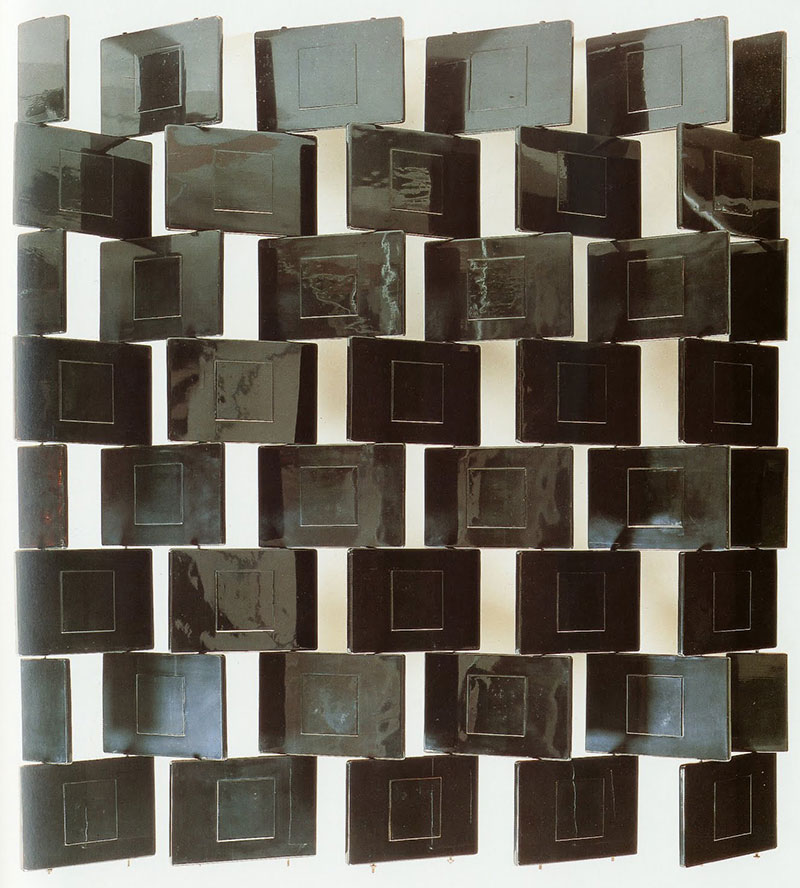
This traditional technique of lacquer was used a lot by Designer Eileen Gray who learnt the skill from a Japanese master.
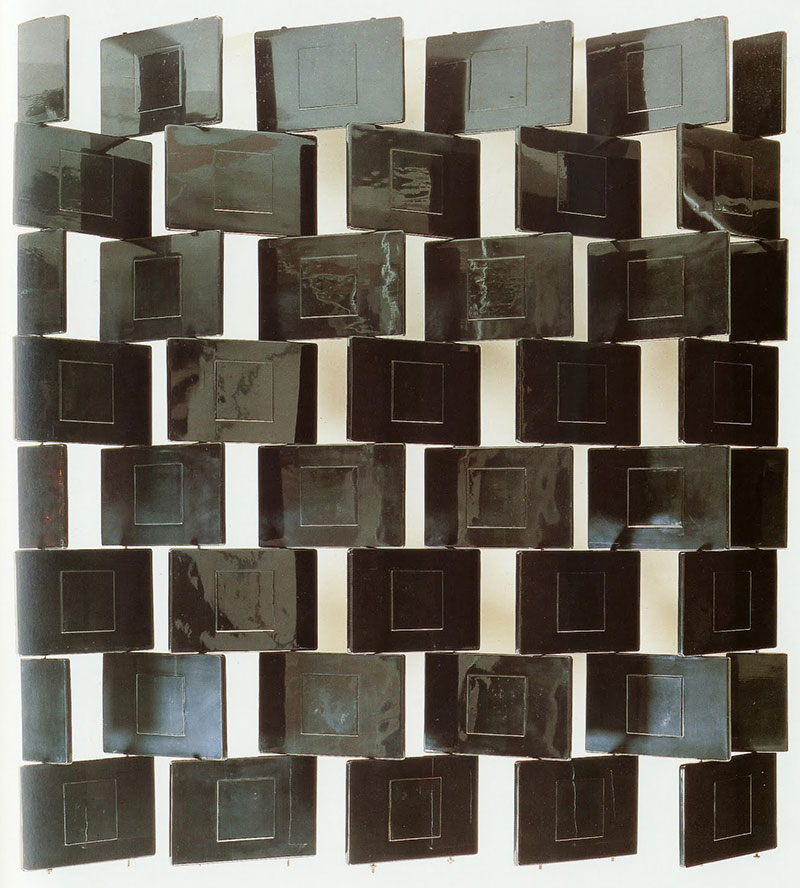
Eileen Gray, Black Lacquered Screen, Retrieved from: https://socks-studio.com/2014/08/16/eileen-grays-1920s-screens/ 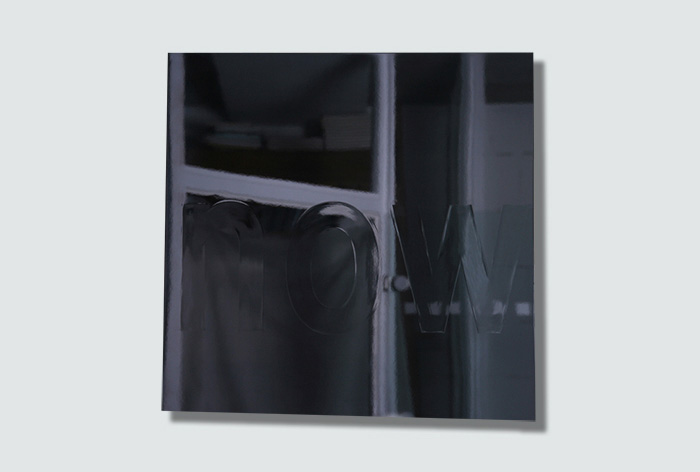
“Now” Lacquer art, Retrieved from: http://www.urushi-lackkunst.de/31-Now.htm 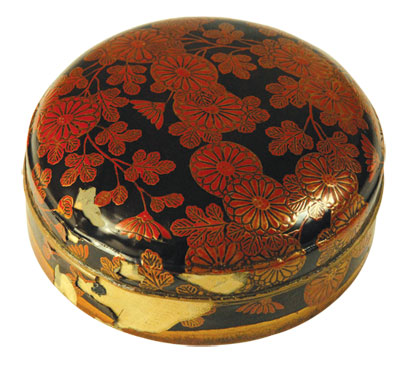
Round lacquer box with chrysanthemums, Retrieved from: http://www.vam.ac.uk/content/journals/conservation-journal/issue-56/observations-on-the-causes-of-flaking-in-east-asian-lacquer-structures/ 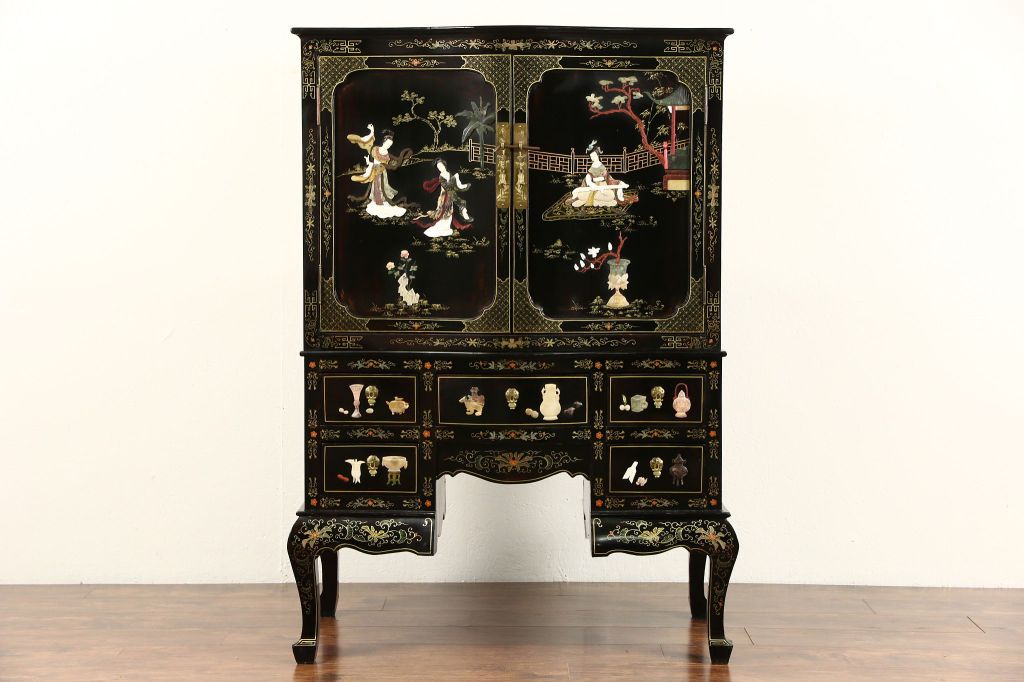
Chinese Black Lacquer Chest, Retrieved from: https://www.harpgallery.com/shop/item23634.html
I like the technique in lacquer and think it would add a unique handcrafted element to the design, However I think for a project of this scale the work load would be too much for this technique and the reflection is not quite as clear as I would like, with a more distorted reflection being the typical outcome.
Acrylic
Cast acrylic is a strong, durable and UV resistant material that can be used for a wide range of purposes both commercial and domestic. It is lightweight and easy to maintain, cut, drill, machine and fabricate and can generally last around 15-20 years in an exterior environment. There are many colour options and finishes available.
Some common applications include signage, advertising, shower panels, displays and splash backs with many more possibilities.
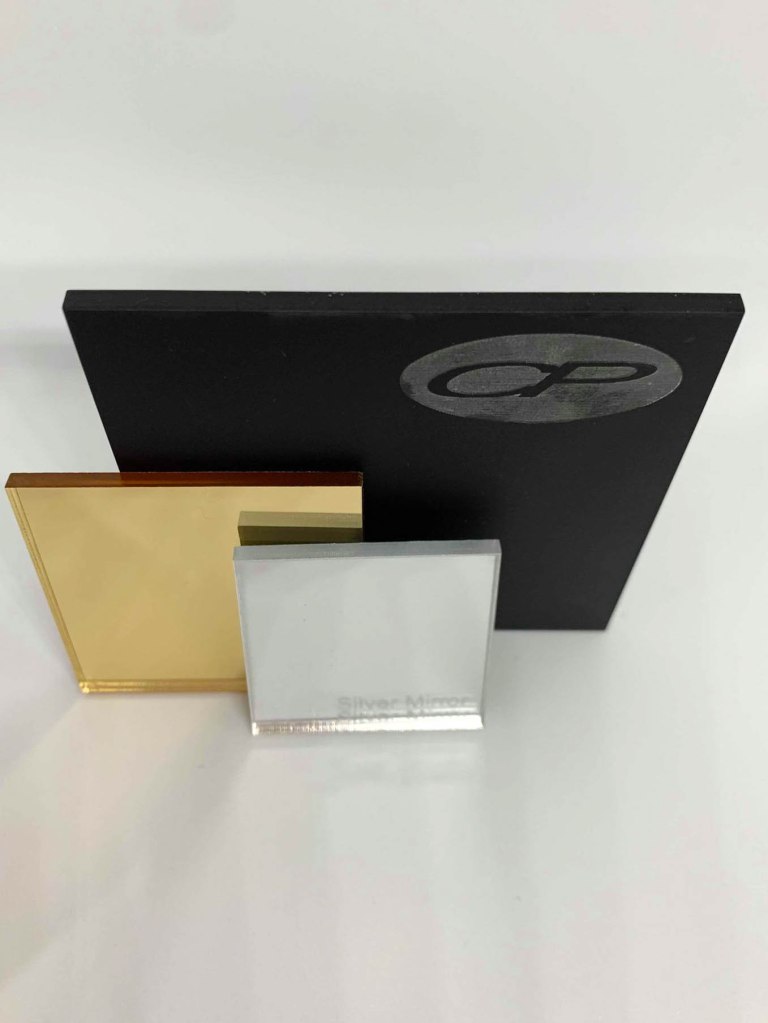
Acrylic Mirror, Retrieved from: https://cambrianplastics.co.nz/product/acrylic-mirror-cut-to-size/ 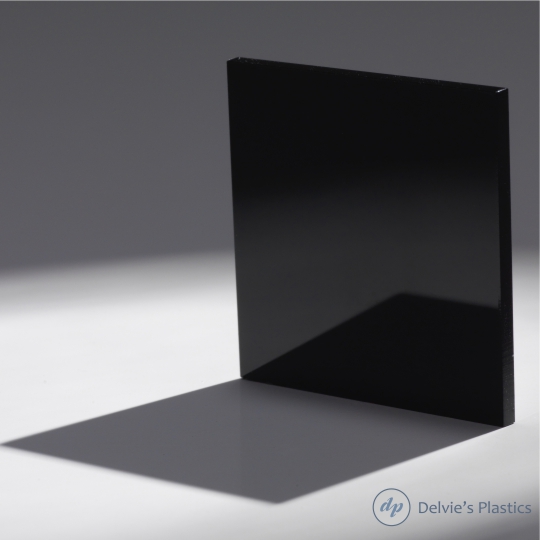
Opaque Black Acrylic Sheet, Retrieved from: https://www.delviesplastics.com/p/2025_Opaque_Black.html 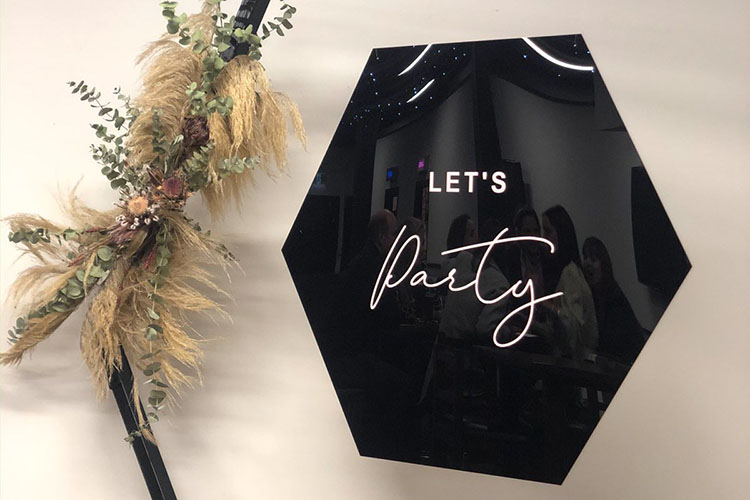
Black Acrylic Hexagon Sign, Retrieved from: https://wedohire.nz/product/black-acrylic-hexagon-sign/ 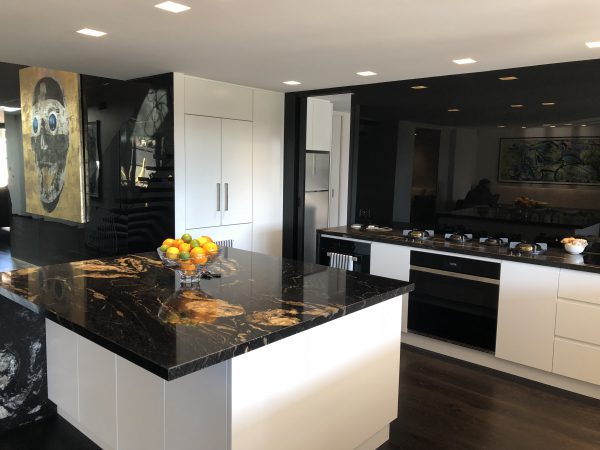
Black Acrylic Splash back and Wall Panels, Retrieved from: https://www.alternatesplashbacks.com.au/home/black-acrylic-wall-panels-and-black-glass-kitchen-splashback-architectural-fit-out-in-mosman-sydney/
Acrylic is the material I find myself leaning towards due to its workability and finish. It is also a material I am familiar with having used it several times before. I feel that this allows me to better understand the material and its uses.
I felt as if I needed another material to work along side the main reflective sections of the design. I wanted to use something that wouldn’t contrast with the bulk of the project but that added another element into the design. The seated areas of the space are enclosed on the majority of sides and I didn’t want to make them feel too small. With this in mind I decided to use something transparent or again reflective to extend the space. In previous peer discussion one way glass had been suggested as a material to look into so I decided to revisit this. I like having the opportunity to play around with what is or isn’t visible as you move through the space and one way glass would also allow me to play on the public/private aspect of the design. I like the idea that when sitting inside one of the seating pods you may see your reflection and think others can’t see you, but from the outside looking in the wall is transparent making you fully visible to outsiders (or vice versa). I think there is a great cinematic quality to this material and the disruption of public/private, unknowingly turning the users of the seating areas into a part of the show for all too see.
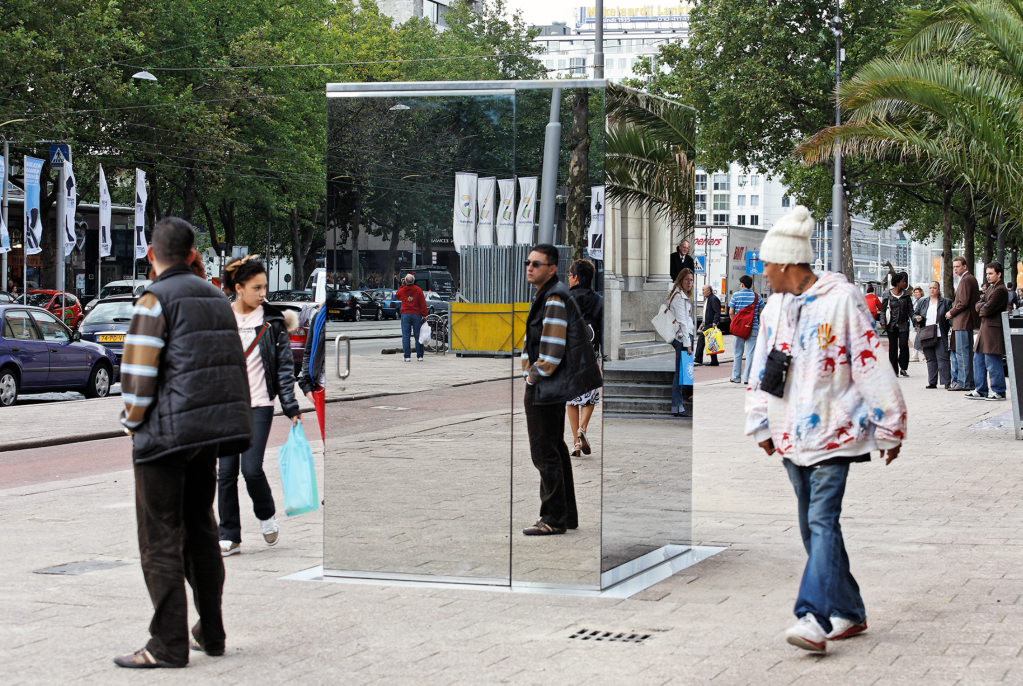
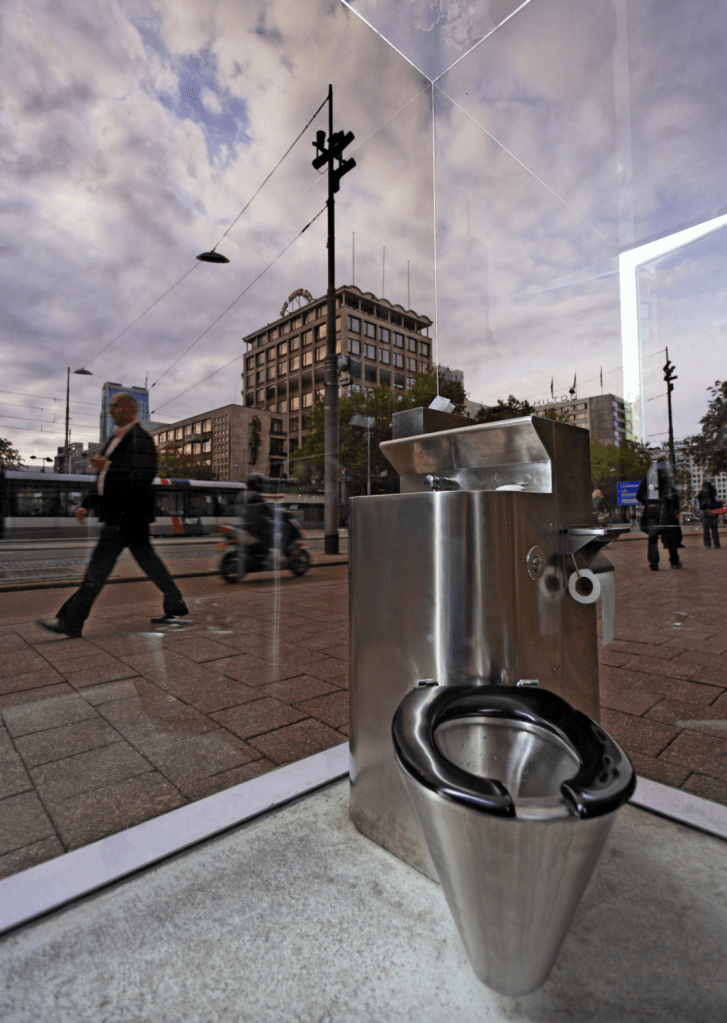
This concept was inspired by Monica Bonvicinis “Don’t Miss a Sec'” (2004) in which she created a public toilet using a two-way mirror glass structure. From the exterior you simply see the reflection and this makes the structure almost blend into the surroundings. Once inside the structure you can see through the walls back out onto the street as if looking through any standard window. I can imagine the experience of using this public toilet would be unsettling despite knowing that people can’t see in.
One way glass
also called two-way mirror glass or half-silvered mirror glass. Transparent on one side, reflective on the other due to a thin metallic coating applied to one side of the surface. This allows more light to penetrate through the coated side of the surface compared to the smaller amount of light that it reflects. To work properly one side requires double the amount of light as the other. This allows the darker side to see through towards the brightly lit side but not the bright side to see into the darker side. Anyone on the bright side would see basically a mirror while those on the dark side would be able to look through as if it’s normal glass.
 Spatial Design
Leave a comment